Bridging the Gap: How Recovery Residences Support SUD and Mental Health Treatment Programs

In the field of Substance Use Disorder (SUD) and mental health treatment, a patient’s progress can be completely undone by a chaotic living environment at night. For program directors and referral partners, that reality is often sobering. This disconnect: the space between a high-quality treatment program and a safe, stable home: is where many recovery journeys falter.
Bridging this gap requires more than just a roof over a client's head. It requires a strategic partnership with a housing provider that supports stability, accountability, and recovery-focused living. At Empowering Potential Housing, we provide structured, drug- and alcohol-free housing that helps outpatient and aftercare participants maintain a stable foundation while they attend their own treatment services and appointments with outside providers.
The Stability Gap: Why Clinical Treatment Needs Residential Support
Clinical treatment provides the tools for recovery, but a recovery residence provides the workshop where those tools are put to use.
When a client returns to an environment filled with "triggers": the old playmates and playgrounds of their active addiction: the cognitive load of maintaining sobriety while navigating trauma or mental health symptoms becomes overwhelming. Recovery housing eliminates this friction. By offering a stabilized environment, we allow your treatment-program partners' work to take center stage, rather than having sessions spent managing the crisis of the week related to housing instability.
Structure as a Therapeutic Tool
A common misconception is that recovery housing is merely "sober living." In a professional partnership, the residence functions as a structured support environment. We prioritize discipline, structure, and accountability because these are the pillars of long-term stability.
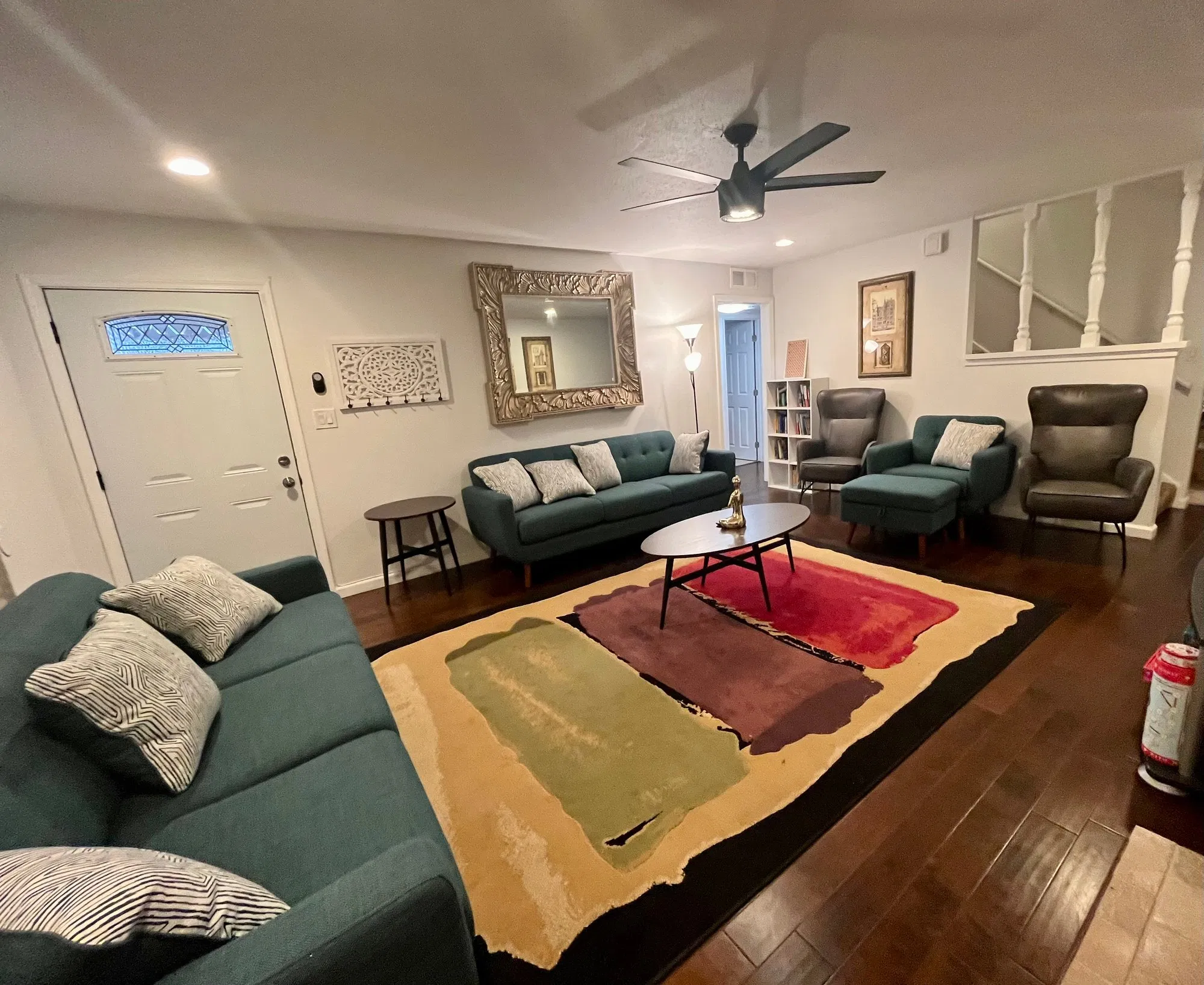
Our homes are designed to foster growth through:
- Daily Wellness Check-ins: These are non-clinical check-ins centered on general wellness, peer support, mentorship, and house accountability, helping residents stay engaged with their program goals and daily responsibilities.
- Structured Accountability: From curated chore lists to curfew requirements, the structure of the house mirrors the discipline required for successful recovery and personal growth.
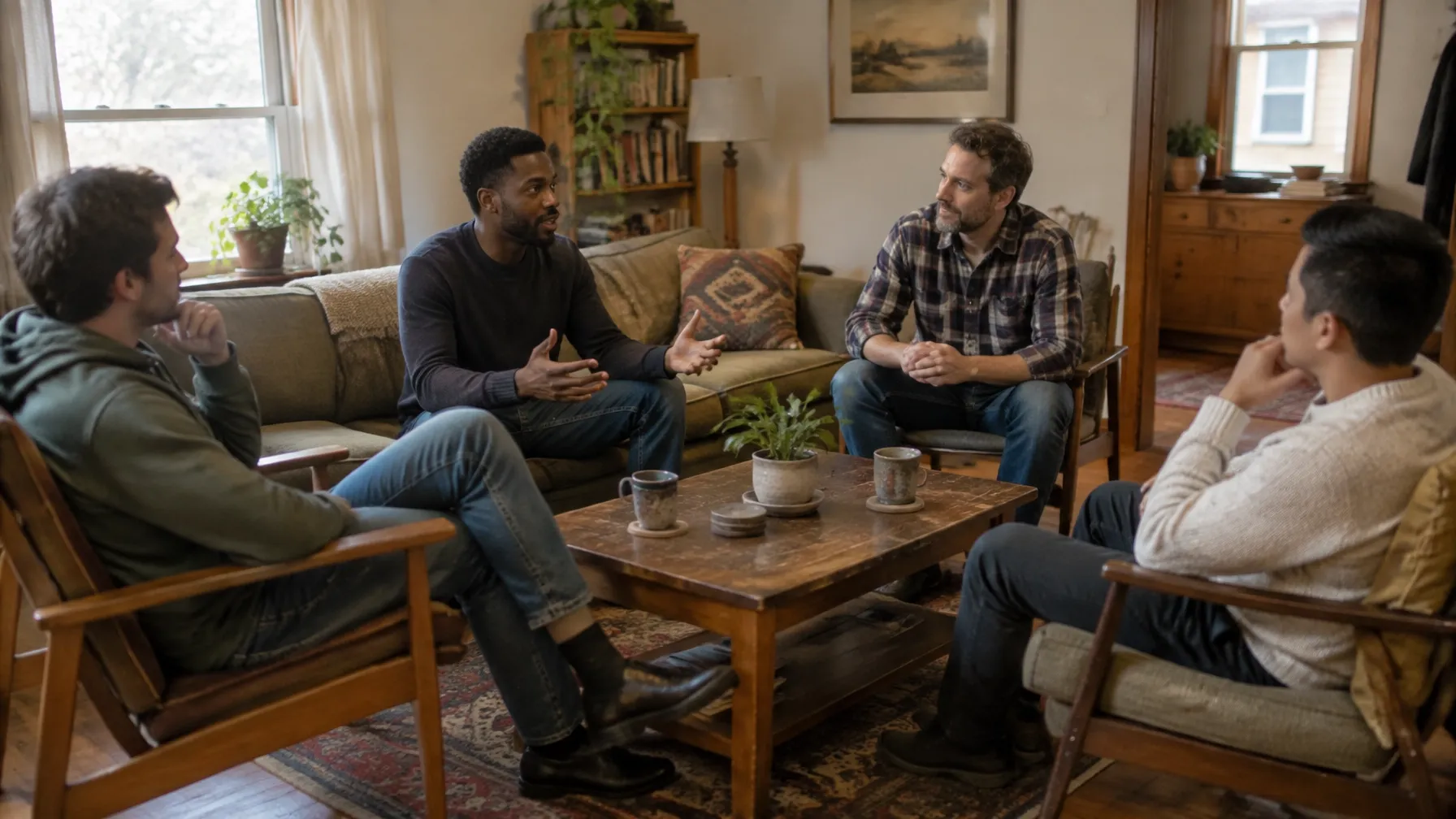
- Peer-Based Community: Residents are surrounded by a community that shares their goals, providing a sense of safety and belonging that is often missing in traditional transitional housing.

Recuperative Care and Housing Support
For referral partners placing individuals from hospitals or skilled nursing facilities (SNFs), housing needs may extend beyond traditional sober living. Empowering Potential Housing addresses this through our Medical Respite services.
This service is designed for people experiencing homelessness who need a safe place to recover while coordinating care with outside medical and clinical providers. For your clients on Medi-Cal, this provides a bridge that helps prevent discharge to the street and supports a safer transition into structured housing. Clinical and medical needs are handled by outside providers, and residents attend their own outside services and appointments. As always, Empowering Potential Housing does not provide medical or clinical services. Learn more about eligibility for recuperative care.
Supporting Diverse Recovery Paths
Recovery is not one-size-fits-all. A residence that forces a single modality onto every resident can inadvertently create barriers to success. We advocate for a community-based approach that allows residents to choose the path that resonates with their outside treatment plan and personal recovery goals.
Whether your program utilizes AA, NA, SMART Recovery, Refuge Recovery, or Celebrate Recovery, our environment supports residents as they participate in those pathways through outside meetings and services. This flexibility ensures that the work being done in treatment is reinforced: not contradicted: at home.
Enhancing Outcomes for SUD and Mental Health Programs
When you partner with Empowering Potential Housing, you are not just making a referral; you are strengthening your own program's outcomes. A stable resident is more likely to show up for group, follow house expectations, and stay focused on recovery.
Our residences offer:
- A Drug and Alcohol-Free Environment: We maintain high standards for residential recovery, including rigorous monitoring and random testing to ensure the integrity of the home.
- Mentorship and Personal Growth: Our peer-based community and supportive mentors help residents build the life skills necessary for successful transitions back into independent living.
- Professional Communication: We understand the needs of program directors and referral partners. We provide the communication and collaboration necessary to ensure our housing supports your program goals while outside providers handle clinical and medical care.
The Role of Environment in Long-Term Recovery
It is often said in recovery circles that "if nothing changes, nothing changes." While treatment addresses the internal changes, a recovery residence facilitates the external changes. By providing an environment that includes all utilities and a community-focused atmosphere, we remove the stressors of modern life that often lead to relapse.
We believe that high standards of residential recovery are non-negotiable. A "bad sober living" is a place where accountability is lax and rules are suggestions; a "good recovery residence" is a foundation upon which a new life is built. We also maintain strictly single-gender residences, with separate men's and women's homes, never co-ed. We pride ourselves on being the latter.
Partnering with Empowering Potential Housing
If you are a clinical manager or program director looking for a housing partner that values structure and high standards, we are here to assist. We focus on creating the stable foundation your clients need to truly engage with the hard work of recovery while attending outside treatment, medical care, and other appointments with their own providers.
Let’s work together to bridge the gap and ensure that your clients have every opportunity for lasting success.
Contact us today to discuss how we can support your program and your clients. Call Empowering Potential Housing at 619-500-3987 or visit empoweringpotentialhousing.com to learn more about our referral process and partnership opportunities. Empowering Potential Housing provides structured, drug- and alcohol-free housing and does not provide medical or clinical services.