Choosing a Sober Living Home: 10 Questions to Ask Before You Move In
Choosing a sober living home is a housing decision, but it is also a recovery decision. The environment around you can either reinforce sobriety, accountability, and personal growth: or expose you to the same triggers, behaviors, and instability you are trying to leave behind.
A quality recovery residence is a stepping stone between treatment, homelessness, incarceration, or an unstable living situation and a more independent life. It provides structure without pretending to replace clinical care. Before you or a family member signs an agreement, ask direct questions and review the answers in writing.
Use the following 10 questions when comparing sober living homes in San Diego.
1. Is the home certified, affiliated, or aligned with recognized standards?
Ask:
- Is the residence certified through CCAPP Recovery Residences?
- Does it follow the standards of the National Alliance for Recovery Residences (NARR)?
- Is it a member of a local recovery housing organization such as SOARR?
- Does it comply with applicable housing, safety, fire, and local requirements?
Certification and membership are not the same as a state medical license. Most sober living homes do not provide detox, therapy, or other clinical treatment on site. However, recognized standards can provide a useful benchmark for operations, physical safety, recovery support, resident rights, and neighborhood responsibility.
A good provider will answer clearly and provide documentation when requested. Be cautious if an operator uses terms such as “licensed treatment” or “certified” but will not identify the certifying organization or explain what the credential covers.
Empowering Potential Housing identifies its residences as recovery-oriented, drug- and alcohol-free homes and lists membership affiliations on its San Diego sober living homes page. Always verify the current status of any certification or membership directly with the provider.
2. What exactly is included in the monthly rate?
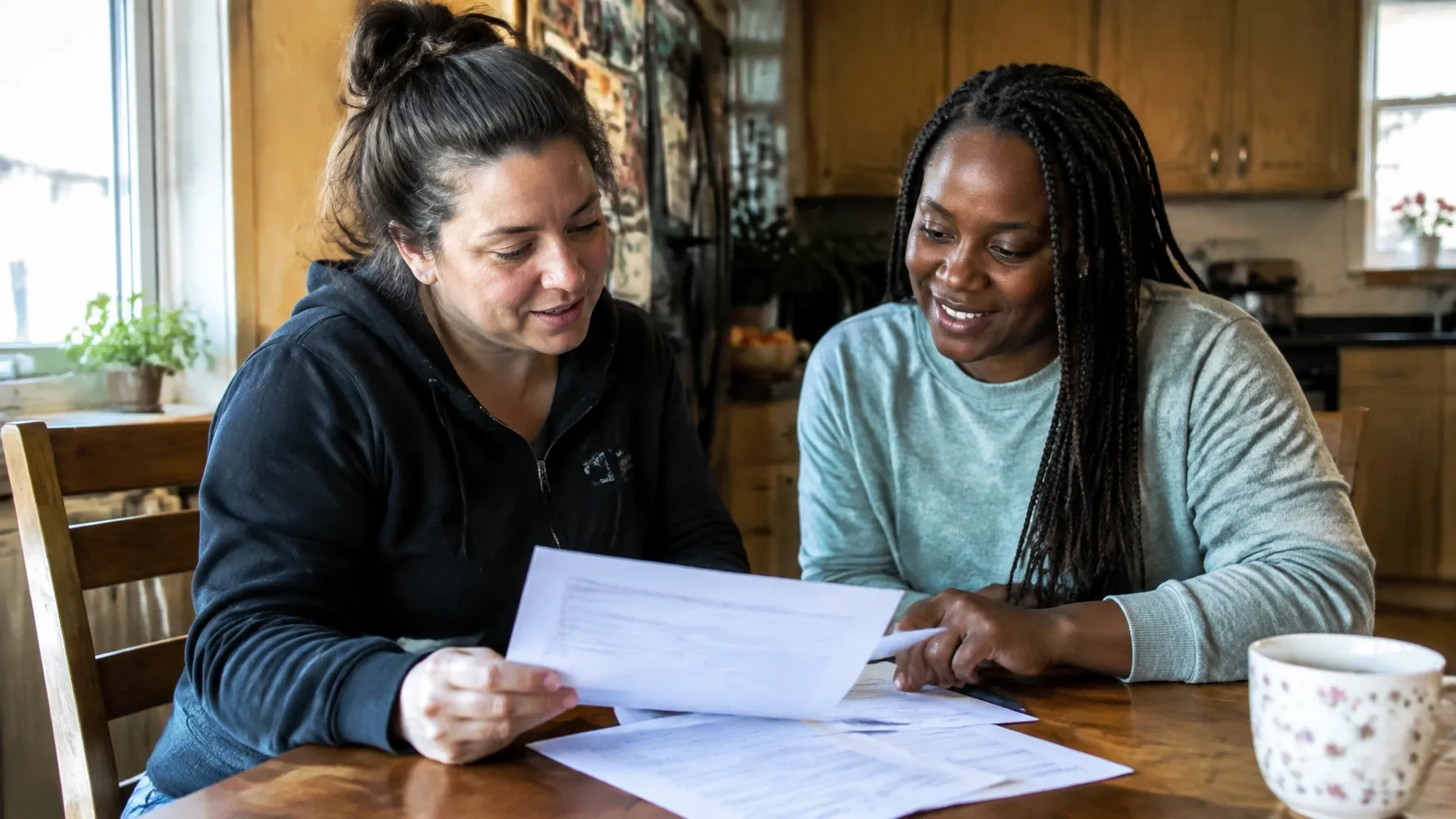
Do not compare rent based only on the advertised number. Ask for a complete written fee schedule that explains:
- Monthly rent
- Move-in fees or deposits
- Utilities
- Internet
- Laundry access
- Household supplies
- Transportation
- Drug and alcohol testing
- Late fees or administrative charges
- Rules regarding refunds and move-out
An apparently inexpensive home can become unaffordable when utilities, internet, testing, and recurring fees are added separately. Transparent pricing is a sign of responsible management.
Empowering Potential Housing lists shared-bedroom rates ranging from $800 to $1,200 per month depending on the residence, plus a one-time $100 move-in fee, with utilities and high-speed internet included. The provider also advertises a straightforward application process. Confirm the current rate, available room, and all charges before making a financial commitment.
3. What are the house rules and daily expectations?
Structure is not a punishment. It is a recovery tool. Clear expectations reduce uncertainty and help residents build routines that support lasting recovery.
Ask to read the complete resident handbook before moving in. It should address:
- Curfew
- Attendance at house meetings
- Recovery activities
- Employment, school, or volunteer expectations
- Chores and cleanliness
- Guests and overnight visitors
- Personal property
- Medication storage
- Quiet hours
- Transportation and parking
- Overnight passes
- Consequences for rule violations
Ask which violations lead to a warning, loss of privileges, or immediate discharge. Rules should apply consistently to every resident, including senior residents and house managers.
A good sober living home does not rely on vague promises such as “we keep things safe.” It explains how safety is maintained every day. A bad sober living home has rules that change depending on who is enforcing them.
4. What is the drug and alcohol testing policy?
A drug- and alcohol-free home needs a testing policy that is specific, fair, and consistently enforced. Ask:
- Is testing required at admission?
- Are tests random, scheduled, or conducted for cause?
- Are residents tested after overnight passes or extended absences?
- What types of tests are used?
- Who pays for testing?
- How are diluted, tampered, or refused tests handled?
- Who can access test results?
- What happens after a positive test?
The policy should also explain how the home responds to suspected relapse. A residence has a responsibility to protect the recovery of the entire community. That may include immediate removal from the property when substance use, violence, threats, or unsafe behavior occurs. It may also include referral to detoxification, treatment, or another appropriate level of care.
Ask for the written policy rather than accepting a verbal explanation. Testing should never be used arbitrarily, selectively, or as a way to intimidate residents.
5. Which recovery programs and pathways does the home support?
Recovery is not one-size-fits-all. Ask whether residents are required to attend one specific program or whether the home supports multiple legitimate recovery pathways, including:
- Alcoholics Anonymous
- Narcotics Anonymous
- SMART Recovery
- Refuge Recovery
- Celebrate Recovery
- Other evidence-informed or community-based support options
A structured home can require meaningful recovery participation without forcing every resident into the same fellowship. The important questions are whether residents have a realistic recovery plan, whether they attend regularly, and whether the community supports follow-through.
Empowering Potential Housing describes a flexible recovery-support model that allows residents to choose their recovery path while maintaining structure and accountability. Empowering Potential Housing residences are strictly single-gender, with separate homes for men and women. This flexibility should not be confused with a lack of expectations. A good home supports different pathways while requiring residents to actively work on recovery.
6. Who is available to provide staff support and mentorship?
Find out who is responsible for the house when problems arise. Ask:
- Is there a live-in house manager?
- Are staff or mentors available overnight?
- How often does management visit?
- What training do managers receive?
- Who handles emergencies?
- Is there a process for contacting staff after hours?
- Does the home provide peer mentorship or resident orientation?
NARR describes different levels of recovery residence support, from peer-run homes to residences with more intensive supervision and services. The right level depends on the resident’s stability, safety needs, clinical situation, and ability to manage daily responsibilities.
Mentorship should be supportive but firm. Effective mentors help residents identify triggers, keep commitments, manage conflict, and take responsibility for their choices. They do not act as therapists, doctors, or substitutes for professional treatment.

7. What is the culture among current residents?
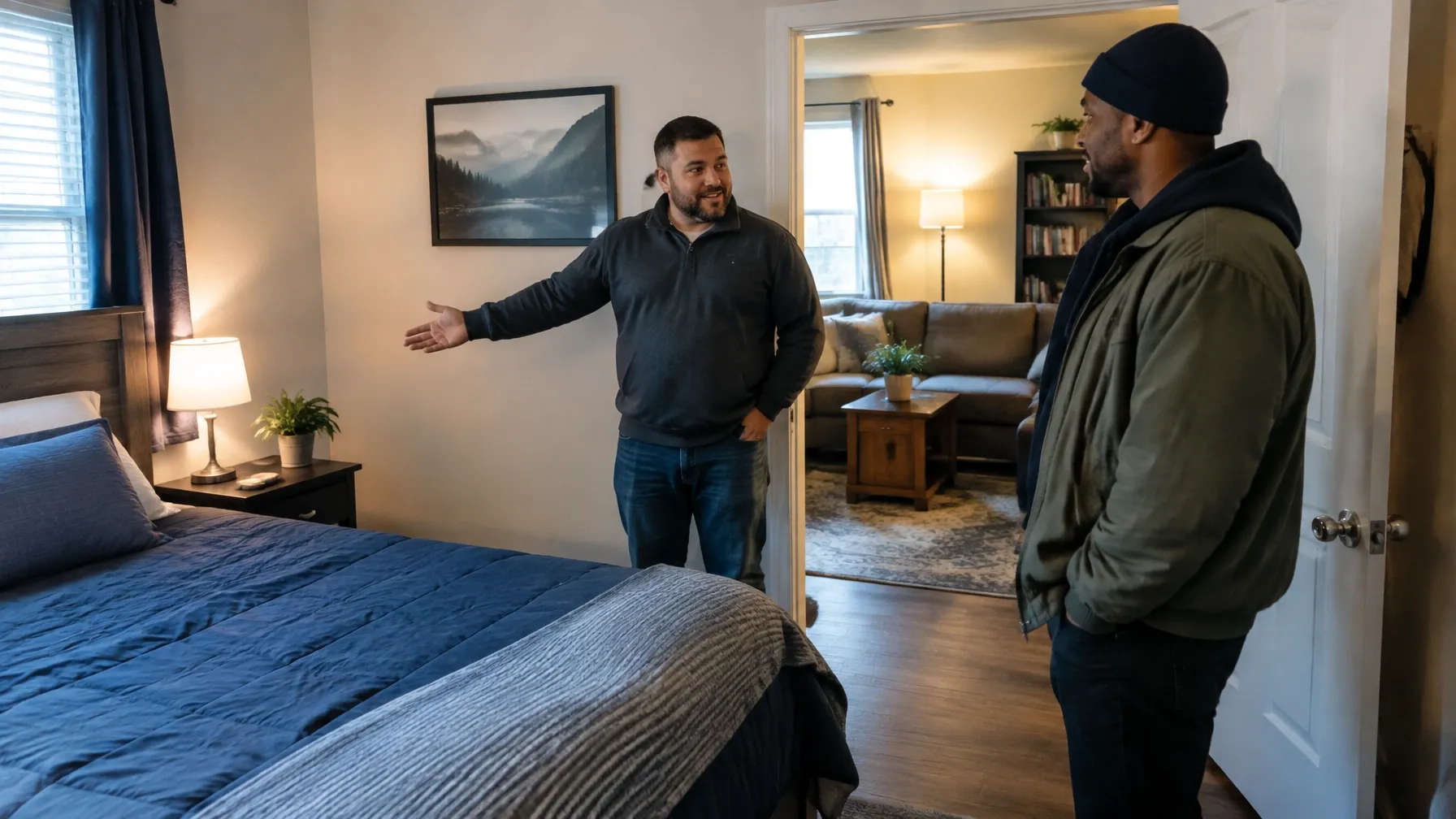
A home can look clean during a tour and still have a poor recovery culture. If possible, visit in person and ask to speak with current residents. Notice whether people appear engaged, respectful, and comfortable asking for help.
Ask residents:
- Are house rules enforced consistently?
- Do people attend meetings and keep their commitments?
- Are new residents welcomed and oriented?
- How are conflicts handled?
- Do residents hold one another accountable?
- Do people feel safe bringing concerns to management?
Recovery often requires changing “playmates and playgrounds.” The people you spend time with and the places you frequent can either strengthen or weaken your goals. A healthy peer culture encourages sobriety, employment, education, service, and responsible independence.
Accountability is not surveillance. It is the process of allowing your commitments to be visible to people who want you to succeed.
8. Is the location practical for recovery and daily life?
Location affects whether residents can consistently attend work, school, treatment, meetings, medical appointments, and family obligations. Ask:
- Is the home near reliable public transportation?
- How long is the commute to work or treatment?
- Is the neighborhood reasonably safe?
- Are grocery stores, pharmacies, and recovery meetings accessible?
- Are parking and vehicle policies clear?
- Does the location expose the resident to former using environments or high-risk contacts?
San Diego is geographically spread out, so a home that seems affordable may become difficult to maintain if transportation is unreliable. Consider the complete daily route, not just the address.
The right location supports independence while creating enough separation from people, places, and routines associated with active addiction.
9. Does the home match the resident’s required level of care?
Sober living is housing with recovery structure. It is not detox, residential treatment, withdrawal management, psychiatric hospitalization, or a substitute for clinical care.
Before moving in, determine whether the resident can safely manage:
- Medications
- Personal hygiene
- Meals
- Transportation
- Appointments
- Employment or school
- Emotional regulation
- Cravings and triggers
- Compliance with house rules
Ask the home what it can and cannot provide. A responsible operator will not accept someone whose medical, psychiatric, or substance-use needs exceed the residence’s capacity.
If a person needs clinical monitoring, medically supervised withdrawal, intensive mental health support, or immediate crisis intervention, contact a qualified treatment or healthcare provider first. The home should be part of an appropriate continuum of care, not a replacement for it.
10. What are the red flags before signing?
Walk away or investigate further if you notice any of the following:
- The operator will not provide written rules or fees.
- The home promises recovery without requiring accountability.
- Substance use appears tolerated on the property.
- Testing is described as random but no policy exists.
- Residents are pressured to pay immediately.
- The provider guarantees employment, treatment results, or permanent housing.
- The home is overcrowded, poorly maintained, or unsafe.
- Staff cannot explain emergency and relapse procedures.
- The operator requires attendance at a specific program while offering no reasonable explanation.
- Complaints or grievances have no documented process.
- The home refuses a tour or avoids answering direct questions.
A bad sober living home may offer comfort without structure. A good one offers a safe environment, clear expectations, peer accountability, and a practical path toward greater independence.
Make an informed decision about your next step
Choosing a recovery residence should involve more than comparing photographs or monthly rent. Review the rules. Confirm what is included. Visit the home. Ask how safety is protected. Determine whether the level of support matches the resident’s needs.
Empowering Potential Housing provides structured, drug- and alcohol-free recovery residences in the San Diego area, with shared living environments, community accountability, flexible recovery support, rates range from $800–$1,200 per month depending on the residence, plus a one-time $100 move-in fee, with utilities and high-speed internet included, and a straightforward application process. Residences are strictly single-gender, with separate homes for men and women. Explore the men’s sober living homes, women’s sober living homes, or apply online.
To discuss availability and determine whether a residence may be a fit, call 619-500-3987. A stable home can be the stepping stone that helps turn recovery goals into daily action.