
From Homelessness to Wellness: A Day in the Life at Empowering Potential Housing
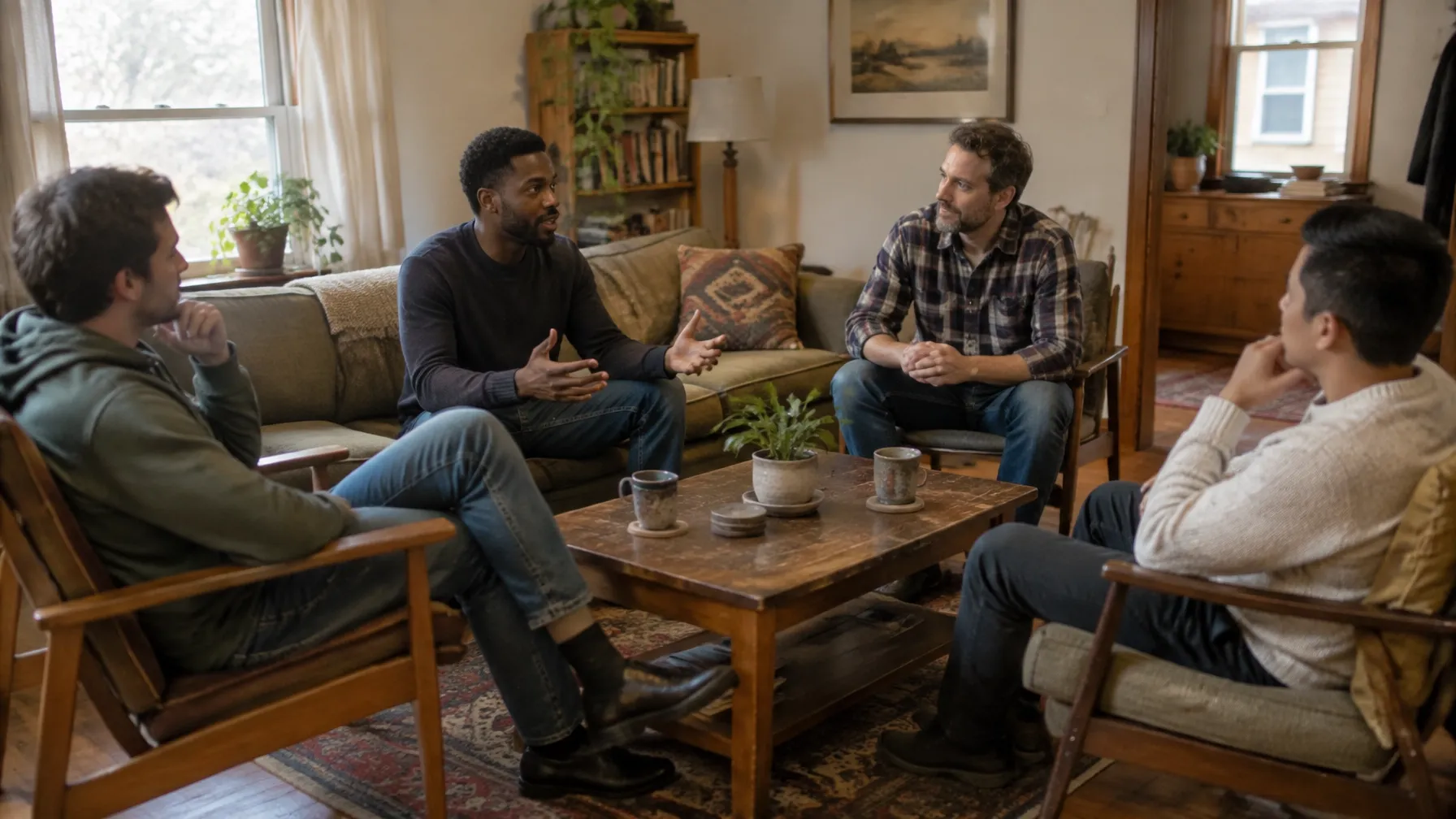
For an individual transitioning from the chaos of homelessness or the clinical confinement of a hospital bed, the first day in a recovery residence is a pivotal moment. It is the point where survival ends and recovery begins. At Empowering Potential Housing, we understand that a successful transition requires more than just a roof; it requires a structured, drug-free environment that prioritizes accountability and personal growth.
An abstinence-based recovery residence can serve as a transitional housing option designed to bridge the gap between intensive treatment and independent living. It serves as a "stepping stone," providing the necessary framework for individuals to rebuild their lives without the distractions and triggers of their former "playmates and playgrounds." For social workers in hospitals and skilled nursing facilities, finding a placement that offers a strong recovery culture and structured accountability is essential to preventing readmission and fostering long-term wellness.
Here is a walk-through of a typical day for a resident at Empowering Potential Housing.
7:00 AM – The Morning Routine: Structure and Accountability
Recovery is built on a foundation of discipline. In a "bad" sober living environment, residents may be left to their own devices, leading to lethargy and a lack of purpose. At Empowering Potential Housing, the day begins with clear expectations.
Residents wake up in a clean, stable environment. For those in our medical respite program, the morning includes house-based daily wellness checks, peer support, mentorship, and structured accountability. Residents attend their own outside medical, mental-health, and recovery appointments, while clinical and medical needs are handled by outside providers. This approach helps individuals experiencing homelessness maintain stability while building recovery habits in a structured home environment.
By 8:00 AM, the house is active. Accountability starts with small tasks: making the bed, tidying personal spaces, and preparing for the day. These are not merely chores; they are the building blocks of self-respect. When a resident takes pride in their immediate environment, they begin to take pride in their recovery.

9:00 AM – The Community Table: Nutrition and Connection
Breakfast is more than a meal; it is an opportunity for community connection. Our homes feature modern, fully equipped kitchens where residents can prepare nutritious food. Nutrition is a frequently overlooked component of recovery. A body depleted by substance use or homelessness requires consistent, healthy fuel to heal.
During this time, informal peer support naturally occurs. Residents discuss their goals for the day, share challenges, and offer encouragement. This "community-based approach" allows individuals to realize they are not alone in their journey. For a social worker placing a client, knowing that the individual is surrounded by peers who are also committed to a drug and alcohol-free lifestyle provides immense peace of mind.
10:30 AM – The Midday Block: Personal Growth and External Coordination
The middle of the day is dedicated to the "work" of recovery and reintegration. For some, this involves attending outpatient mental health or SUD programs. For others, it is a time for case management and administrative tasks.
During these hours, residents may work on:
- Housing and Benefit Applications: Coordinating with social workers to secure long-term stable housing or disability benefits.
- Mentorship: Meeting with peer mentors to discuss accountability and progress.
- Outside Appointments and Services: Managing outside medical, mental-health, recovery, and case-management appointments needed to support ongoing stability.
This structure ensures that residents are not just "sitting in a house," but are actively moving toward a more stable future.
1:00 PM – Maintaining the Environment: Chores as Therapy
A good sober living home is a shared responsibility. In the afternoon, residents engage in house chores. This is a practical application of the accountability we preach. A resident might be responsible for the common living area, while another ensures the outdoor spaces are tidy.
These tasks teach life skills and reinforce the idea that everyone contributes to the safety and comfort of the community.
4:00 PM – Peer Support and Mentorship
As the afternoon winds down, the focus shifts back to the internal work of recovery. Empowering Potential Housing fosters a peer-based community. This is where the concept of "changing playgrounds" becomes a reality.
Instead of returning to an environment filled with triggers, residents spend their time with supportive mentors and peers. Mentorship is a cornerstone of our program. Having a guide who has walked the path of recovery provides residents with a relatable roadmap for success. It transforms the abstract goal of "wellness" into a tangible, achievable reality.
6:00 PM – Evening Recovery Programs
Structure continues into the evening hours. Residents are encouraged: and in many cases, required: to participate in recovery-oriented programming. We believe in flexibility, allowing residents to choose the path that resonates with them, whether it is AA, NA, SMART Recovery, Refuge Recovery, or Celebrate Recovery.
By providing a stable home base, we allow residents to focus entirely on their program of choice. There is no stress about how to pay the electric bill or where the next meal is coming from. Everything is handled so that the "inner work" can take priority.

8:00 PM – Reflection and Wind-Down
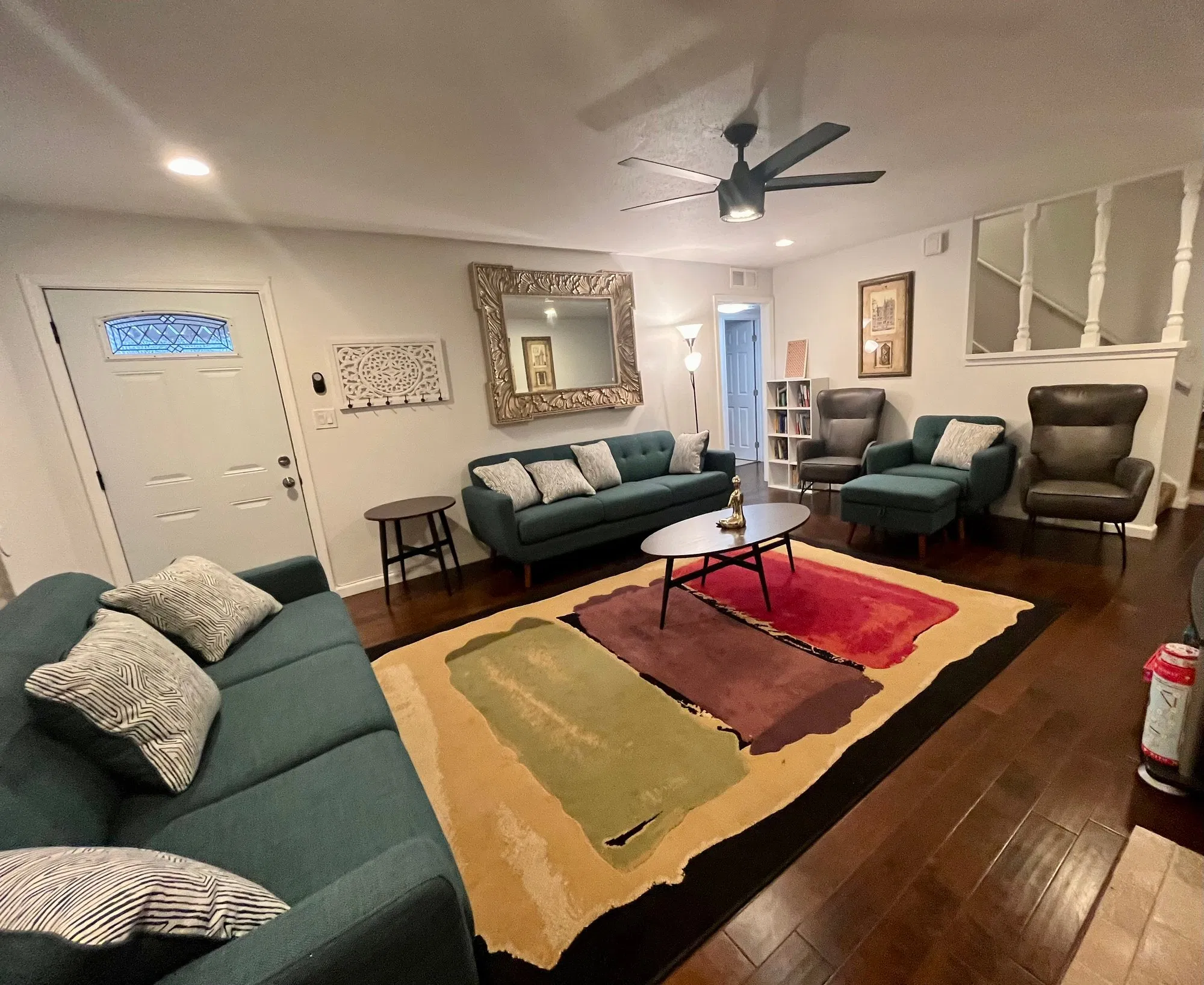
The evening concludes with a focus on peace and preparation for the next day. The living areas in our strictly single-gender Men’s Home in Serra Mesa and our strictly single-gender Women’s Home are designed to be tranquil spaces.
This is the time for reading, journaling, and quiet conversation. Sleep hygiene is prioritized, as a rested mind is better equipped to handle the stresses of recovery. Curfews are strictly enforced, ensuring that the home remains a safe, predictable environment for everyone.
Why This Matters for Social Workers and Providers
For social workers in hospitals and skilled nursing facilities, the discharge process is often the most stressful part of the job. Placing a client back into the environment where their health or addiction issues began is a recipe for failure.
Empowering Potential Housing provides a reliable alternative. When you refer a client to us, you are not just finding them a bed; you are placing them in a system designed for success. You can rest assured knowing:
- The environment is drug-free: Our high standards for residential recovery ensure a safe space.
- Accountability is constant: We provide house accountability and encourage residents to remain active in their recovery.
Conclusion: A Stable Foundation for a New Life
Recovery is a difficult journey, but it does not have to be walked alone. The daily routine at Empowering Potential Housing is designed to transform the lives of those experiencing homelessness and substance use disorders. By replacing chaos with structure and isolation with community, we help our residents build a stable foundation for long-term recovery.
If you are a social worker looking to place a client, or an individual seeking a safe, supportive environment to focus on your personal growth, we are here to help. Our straightforward application process is designed to be as accessible as possible.
Contact us today to learn more about our availability and how we can support your journey from homelessness to wellness.
Phone: 619-500-3987
Website: empoweringpotentialhousing.com