How to Integrate MOUD Support With Recovery Housing: A Guide for SUD Partners
In the landscape of addiction treatment, the move from structured treatment settings to stable independent living is often the most precarious phase of the journey. For individuals utilizing Medications for Opioid Use Disorder (MOUD): such as methadone, buprenorphine, or naltrexone: this phase is frequently complicated by a lack of supportive housing options. Historically, many recovery residences operated under a strict abstinence-only philosophy that excluded life-saving medications. This exclusion creates a "revolving door" where people make progress with outside providers only to be released into unstable environments that lack the structure necessary for long-term success.
At Empowering Potential Housing, we believe that recovery is not a one-size-fits-all process. Integrating MOUD with high-standard recovery housing is not just a practical necessity; it is a moral imperative. This guide is designed for Substance Use Disorder (SUD) programs, social workers, and referral partners in San Diego to understand how to bridge the gap between outside-provider treatment support and residential stability.
The Role of Recovery Housing in the MOUD Continuum
Sober living is a transitional housing option designed to provide a drug and alcohol-free environment for people in early recovery. When paired with MOUD, these residences serve as a critical "stepping stone." Medication stabilizes the brain’s chemistry, reducing cravings and withdrawal symptoms, while the recovery home provides the accountability and structure required to rebuild a life.
For our partners in San Diego, the challenge is often finding a placement that understands the practical needs of residents participating in MOUD. A good recovery residence does not just "allow" medication; it integrates it into a broader culture of wellness and accountability. Without a stable place to live, even the best treatment plan from an outside provider is likely to fail. We provide that foundation, ensuring that the work done in your programs isn't undone by the chaos of the streets or an unsupportive living situation.
Closing the "Stigma Gap"
The misconception that MOUD is simply "replacing one drug with another" is a barrier we must dismantle. As a housing provider, our role is to support the individual’s chosen path to recovery. We recognize that for many, medication is the foundation upon which all other growth is built.
Empowering Potential Housing maintains a firm commitment to supporting residents on MOUD. We clearly support residents who participate in MOUD through their outside treatment providers. We educate our staff and peer mentors to ensure that medication status never confers a "lesser" recovery status. By fostering an environment where provider-directed treatment is respected, we reduce the shame that often leads to treatment discontinuation and relapse.
A Collaborative Approach to Care
Integration requires more than just a signed lease; it requires active collaboration between the housing provider, the resident, and the SUD program. At Empowering Potential Housing, we coordinate with outside providers and referral partners as appropriate to support a stable housing plan.
1. Unified Care Planning
We encourage social workers and case managers to remain involved. Our Medical Respite services for those on Medi-Cal include daily wellness checks, providing added structure for those with complex needs. EPH is not a medical facility, and any treatment, medication, or care decisions remain with licensed outside providers.
2. Structure and Medication Support
While we are not a medical facility, we provide structured drug- and alcohol-free housing with daily wellness checks, peer support, and mentorship. Residents are expected to attend appointments with their outside providers and follow the plans developed by those providers. This level of accountability is what separates a high-standard recovery home from a "bad sober living" environment where residents are left to their own devices.
3. Clear Communication
When a resident experiences a challenge: whether it’s a missed dose or a potential trigger: we encourage prompt communication with their outside treatment provider and support network. This proactive approach helps address concerns early before a lapse occurs.
The Empowering Potential Housing Standard
We have built our model around the specific needs of the San Diego recovery community. Our USP is simple: high standards of residential recovery in structured drug- and alcohol-free housing with daily wellness checks, peer support, and mentorship.
- Straightforward Application Process: We believe a person’s past should not dictate their future housing stability. Our application process is designed to be accessible to those who need it most.
- Inclusive Monthly Pricing: Rates range from $800–$1,200 per month depending on the residence, plus a one-time $100 move-in fee, with utilities and high-speed internet included. This removes the financial stress of managing multiple bills and allows residents to focus on their recovery goals.
- Safe Environments: Whether it is our Men’s Home in Serra Mesa or our Women’s Recovery Residences, we provide clean, modern, and drug-free spaces that feel like home, not a facility.
Changing Playmates and Playgrounds
A core principle of lasting recovery is "changing playmates and playgrounds." For a person on MOUD, this is especially vital. Living in a community where everyone is focused on personal growth, sobriety, and accountability helps rewire the social triggers that often lead to relapse.
Our peer-based community fosters a sense of belonging that medication alone cannot provide. Residents participate in varied recovery paths, including:
- Alcoholics Anonymous (AA) and Narcotics Anonymous (NA)
- SMART Recovery
- Refuge Recovery
- Celebrate Recovery
This flexibility allows the resident to find the community that resonates with them while maintaining the safety net of MOUD. Our mentorship program provides them with a peer who has walked the path before, offering guidance on everything from managing triggers to finding employment.
Navigating Practical Integration: Safety and Accountability
For SUD partners concerned about the logistics of MOUD in a group home setting, we employ specific protocols to ensure safety for all residents:
- Secure Storage: We require all medications to be stored securely. This prevents diversion and helps keep the home safe for everyone.
- Structured Daily Schedules: Idle time is the enemy of early recovery. Our homes emphasize structure: morning check-ins, household chores, and required attendance at support groups, work, or outside-provider appointments as appropriate.
- Non-Punitive but Firm Relapse Policies: We prioritize the safety of the community. If a resident relapses, we coordinate with the resident, referral sources, and outside providers when appropriate to help identify the right next step, rather than simply discarding them back into homelessness.
Partnering for a Holistic Recovery Ecosystem
The 2025 CalAIM updates and the shift toward Prop 1 care communities highlight the need for integrated housing models. Recovery doesn't happen in a vacuum; it happens in a community. By partnering with Empowering Potential Housing, San Diego SUD programs can offer their clients a stronger recovery pathway: from outside-provider treatment support to long-term residential stability.
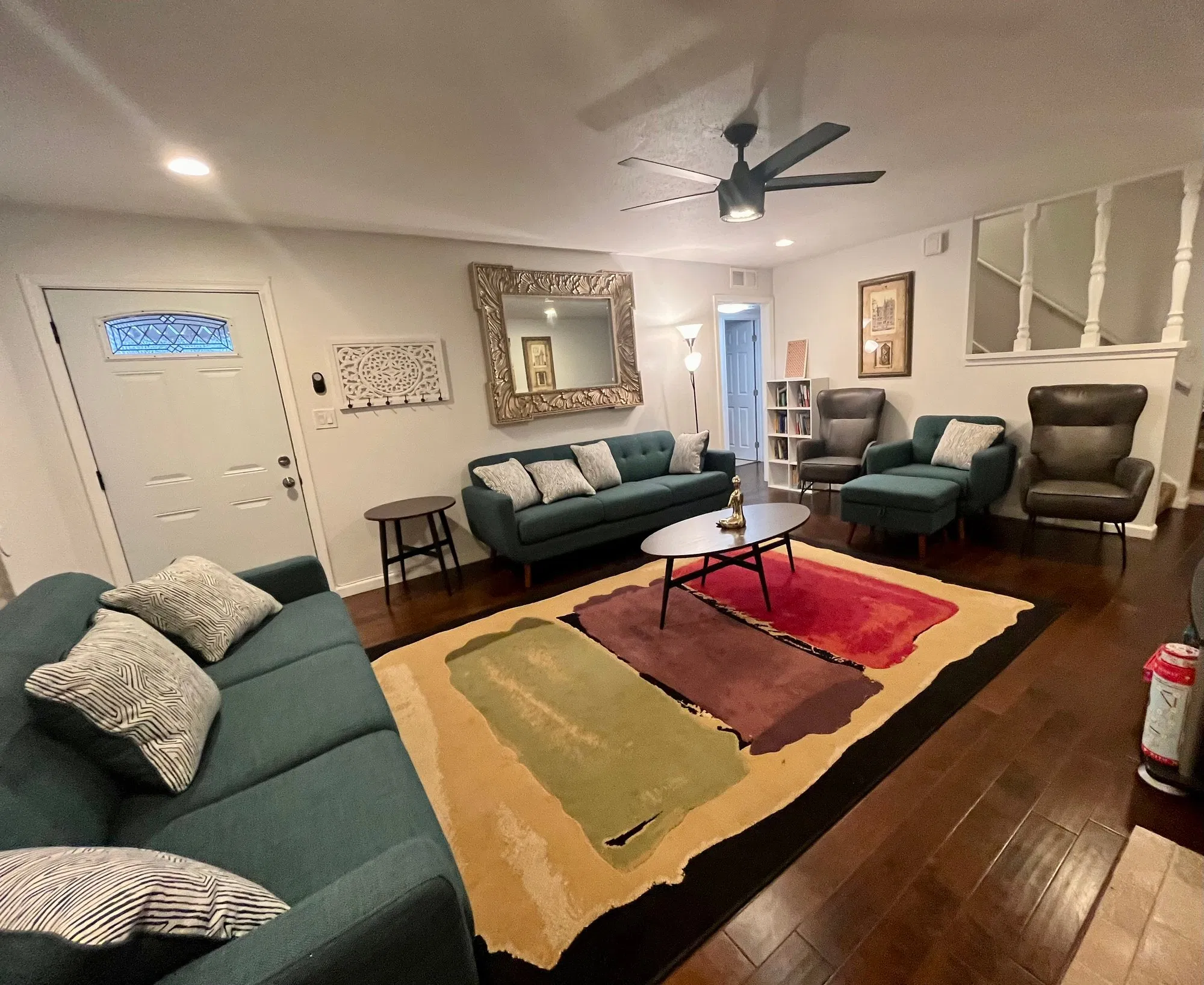
We invite social workers, discharge planners, and SUD program directors to tour our homes and see the Empowering Potential difference. Together, we can ensure that MOUD is not just a prescription, but a part of a successful, thriving life.
Ready to place a client or discuss a partnership? Contact Empowering Potential Housing today to learn more about our availability and how we support MOUD-integrated recovery.
Call us at: 619-500-3987
Visit our website: empoweringpotentialhousing.com