Referral & Eligibility Quick-Reference: Empowering Potential Housing
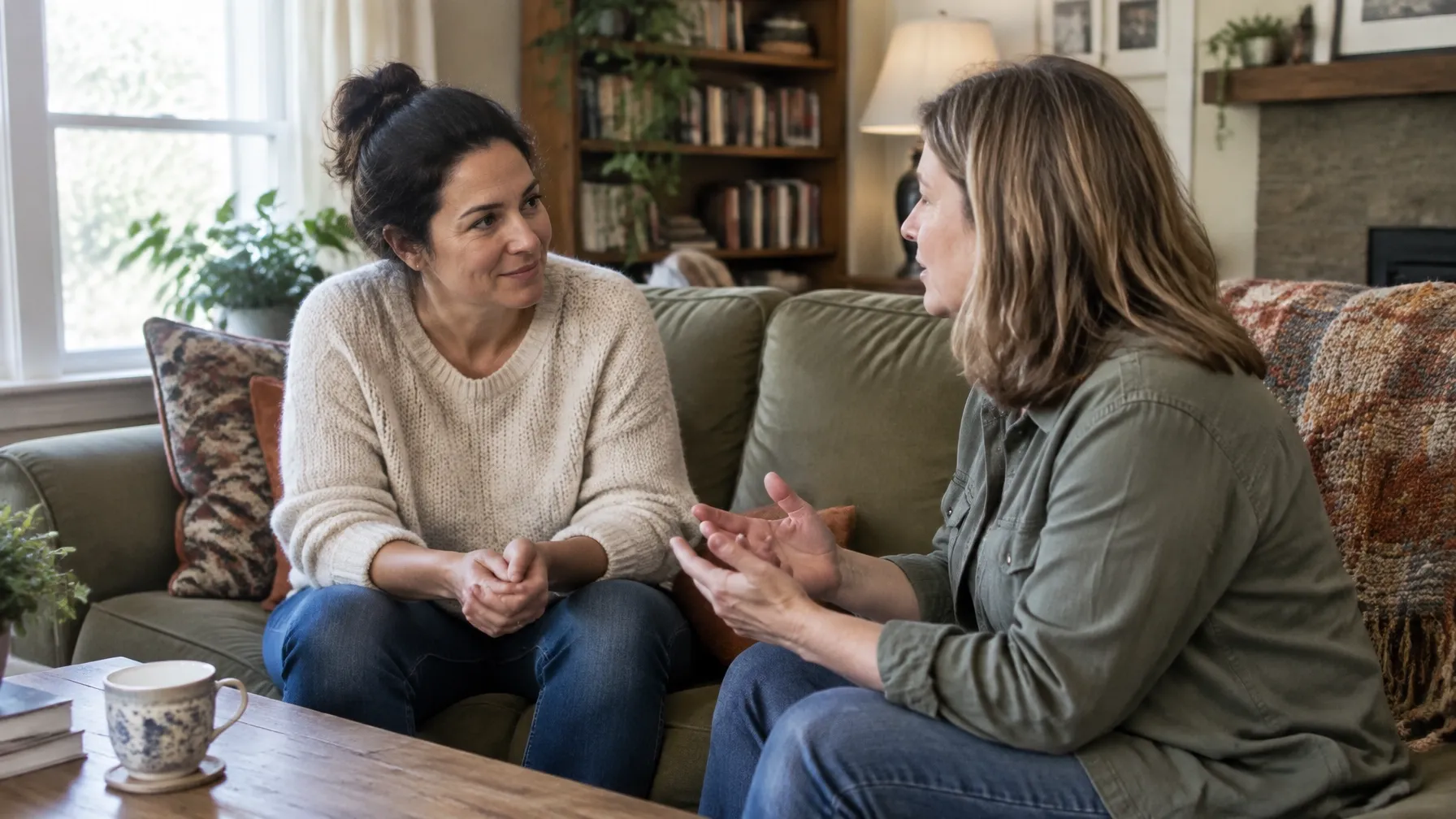
For social workers, discharge planners, and referral coordinators, finding a stable, recovery-oriented placement for a vulnerable client is often the most critical link in the chain of care. At Empowering Potential Housing (EPH), we recognize that a hospital discharge or a referral from a Mental Health (MH) or Substance Use Disorder (SUD) program is not just a transfer of paperwork, it is a transition of trust.
This guide serves as a quick-reference resource to help you navigate our referral process and understand the eligibility requirements for our housing options. Whether you are placing an individual in Recuperative Care or referring a self-pay resident for a fresh start, our goal is to provide structured, drug- and alcohol-free housing that prioritizes long-term stability over temporary comfort.
Services Provided: A Spectrum of Recovery Support
Empowering Potential Housing is more than just a roof. We provide structured, drug- and alcohol-free housing with daily wellness checks, peer support, mentorship, and house accountability for individuals experiencing homelessness or those in early recovery.
1. Recuperative Care / Medical Respite
Recuperative care, often referred to as medical respite, is a short-term residential housing option for individuals who no longer require hospitalization but still need a safe place to recover after illness or injury. We provide a stable environment where residents can rest, attend follow-up appointments, and continue working toward housing stability while medical necessity and medical decisions remain with the health plan and outside providers.
2. Recovery Residences
Our recovery residences are structured homes for people who need a sober, accountable environment while building a foundation for lasting recovery. These homes function as a stepping stone between higher levels of care or homelessness and more independent living. Residents are expected to follow house rules, engage in their chosen recovery path, and work toward personal and housing goals.
3. Housing Support for Program Partners
We partner with SUD Intensive Outpatient Programs (IOP) and Mental Health Assertive Community Treatment (ACT) programs when housing is needed to support participation and stability. We provide the housing component while treatment, medical necessity determinations, and medical or clinical decisions remain with outside providers and the health plan when applicable.
Insurance Requirements: Who We Serve
To streamline the referral process, it is essential to identify the resident’s insurance coverage early. For Recuperative Care placements, we currently work with specific Medi-Cal managed care plans:
- Active Molina Medi-Cal
- Active Kaiser Medi-Cal
If your client has one of these plans and meets the eligibility criteria determined by the health plan and outside providers for recuperative care, they may be considered for placement. For those without these specific plans or those seeking independent recovery housing, we offer flexible self-pay options to help maintain access to a safe place to live.
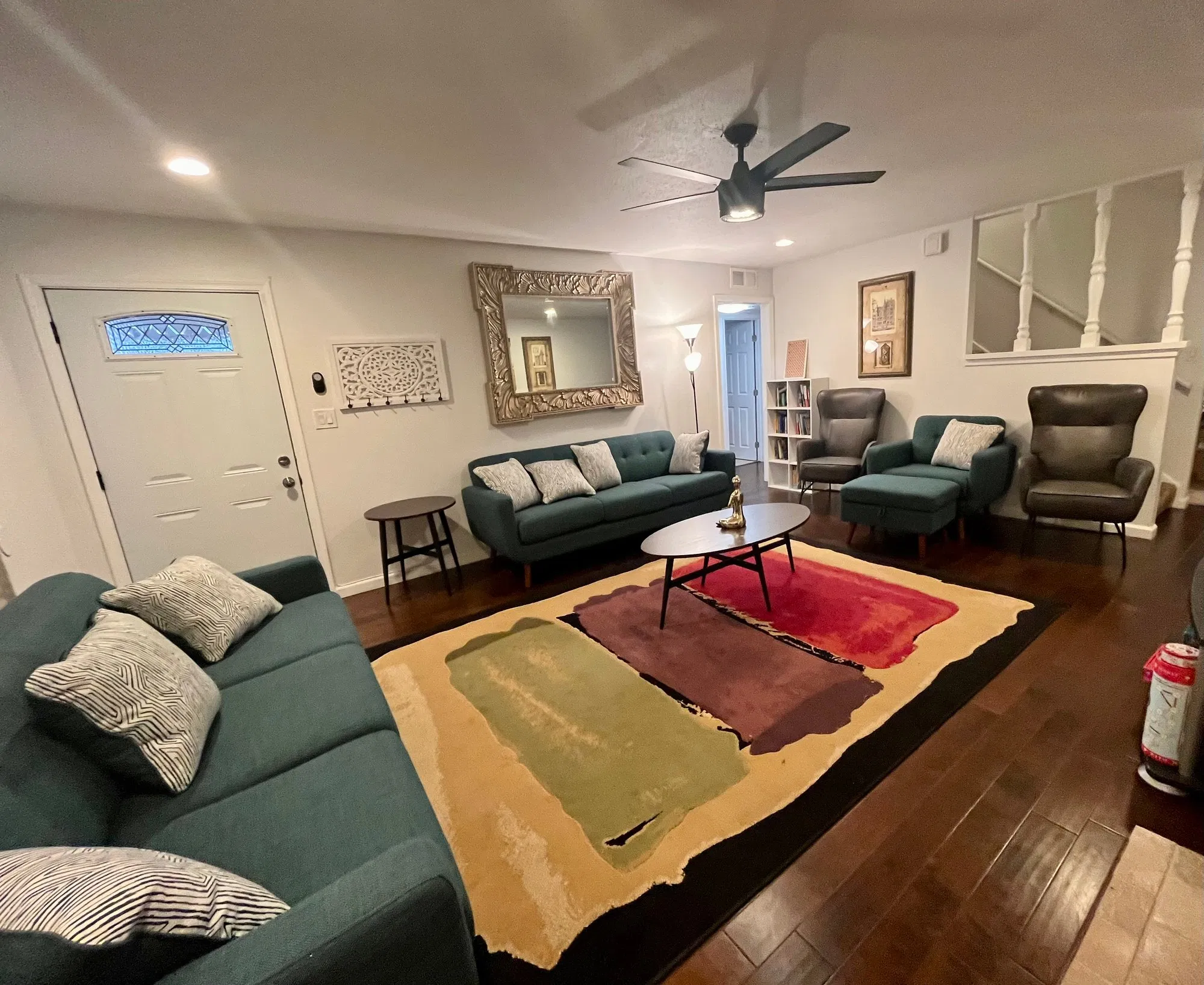
The Resident Experience: Structure as a Foundation
We believe that true recovery requires a change in "playmates and playgrounds." Our homes are designed to be high-accountability environments. We do not offer a "hands-off" housing approach; instead, we provide the discipline necessary for lasting change.
- Drug and Alcohol-Free Environment: This is a non-negotiable standard. Every resident must commit to a lifestyle free from all mind-altering substances.
- Daily Wellness Checks: For residents in Recuperative Care and recovery residences, our staff conducts daily wellness check-ins as part of a structured housing routine. EPH does not provide medical or clinical services, and medical necessity and medical or clinical decisions are determined by the health plan and outside providers.
- Peer Support and Mentorship: Residents are part of a community. We foster an environment where peers hold one another accountable. Our mentorship program allows those further along in their journey to guide newcomers.
- Nutritional Support: We provide healthy, nutritious food. A stable recovery is built on a foundation of physical health, and that starts with the fuel residents put in their bodies.
- Flexible Recovery Paths: While we maintain high standards, we respect the individual's choice of recovery. We support AA, NA, SMART Recovery, Refuge Recovery, and Celebrate Recovery.

Target Audience: Identifying the Right Candidate
Our housing options are best suited for individuals who need a stable, structured environment after a hospital stay, during early recovery, or while transitioning out of homelessness. Our ideal candidates include:
- Individuals Referred for Recuperative Care: Those who may qualify for recuperative care based on criteria determined by the health plan and outside providers.
- People Needing Structured Recovery Housing: Individuals who need a drug- and alcohol-free living environment with accountability, peer support, and mentorship.
- Post-Inpatient Referrals: Individuals being discharged from psychiatric units or SUD residential treatment who need a structured environment to reduce relapse risk and support next-step stability.
How to Refer: The Step-by-Step Process
We aim to make the referral process as efficient as possible for our referral partners. Please follow these protocols to ensure a timely intake:
For New Contracts and Partnerships
If you represent a hospital, clinic, or SUD/MH program and wish to establish a formal referral partnership or contract, please contact Empowering Potential Housing directly.
- Phone: 619-500-3987
- Email: empoweringpotentialhousing@gmail.com
For Recuperative Care Placement
To refer a specific patient for Recuperative Care, please send the referral documents required by the health plan or discharging provider for authorization and eligibility review.
- Required Docs: History and Physical (H&P), Discharge Summary, and relevant Lab Results.
- Referral Document Fax: 619-333-1670
Once the documentation is received, our team will coordinate next steps with the respective insurance provider (Molina or Kaiser) and the referring party as applicable.
For Recovery Residence Placement
For self-pay recovery residence inquiries, contact Empowering Potential Housing directly to discuss availability, application steps, and whether a men’s or women’s home is the right fit. Our housing is strictly single-gender, with separate men’s and women’s homes and no co-ed placement.

Self-Pay Options: Bridging the Gap
We understand that insurance coverage can be complex and sometimes inconsistent. For individuals who do not have Molina or Kaiser Medi-Cal but still need a safe, structured place to live, we offer affordable self-pay options.
- Rates: Rates range from $800–$1,200 per month depending on the residence, plus a one-time $100 move-in fee, with utilities and high-speed internet included.
- Accessibility: We use a straightforward application process, making housing more accessible for those rebuilding their lives from scratch.
This option is particularly effective for individuals waiting for insurance transitions or those who have recently gained employment and still need the accountability of a sober living environment. Our homes are strictly single-gender, with separate men’s and women’s residences.
Why Structure Matters
In the world of recovery housing, there is often a debate between "low-barrier" housing and "structured" housing. At Empowering Potential Housing, we lean firmly toward structure. A "good" recovery residence is defined by its ability to protect its residents from the triggers and environments that led to their instability in the first place.
By maintaining a drug-free, peer-supported environment, we create a sanctuary for growth. We are not just providing a bed; we are providing the framework for a new life. You can read more about our specific approach to recovery residence standards here.
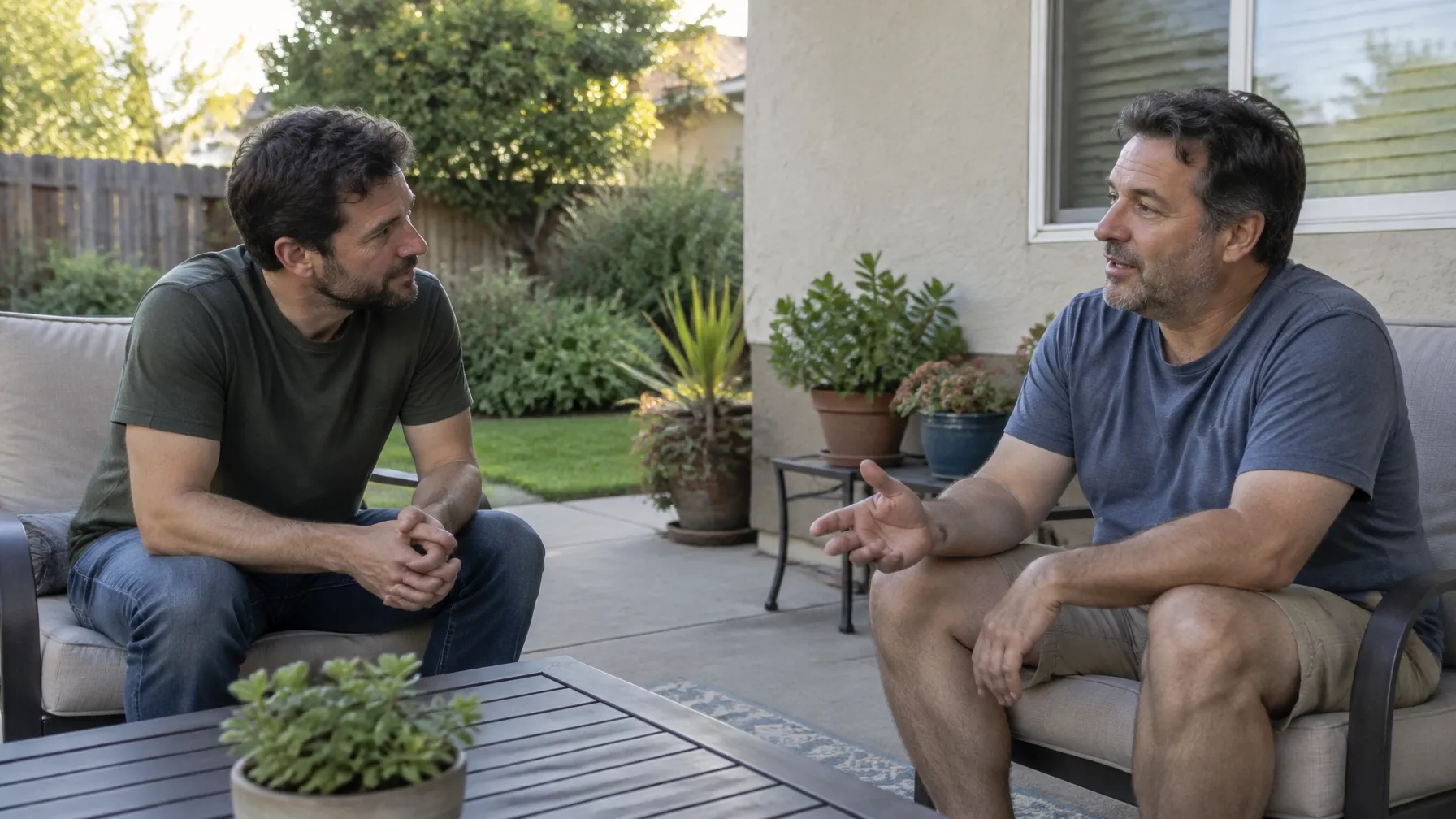
Learn More and Connect
We are here to be a resource for you and your clients. If you have questions about a specific case or want to verify whether someone may be a fit for our housing options, please do not hesitate to reach out.
- Detailed Eligibility Info: empoweringpotentialhousing.com/qualifyforrecuperativecare
- Phone: 619-500-3987
- Email: empoweringpotentialhousing@gmail.com
- Referral Document Fax: 619-333-1670
Let us help you ensure your clients have more than just a discharge plan: help them find a foundation for a future. Reach out today at 619-500-3987 to start the referral process.