
Sober Living Rules Explained: Why Structure Is What Keeps Recovery Working
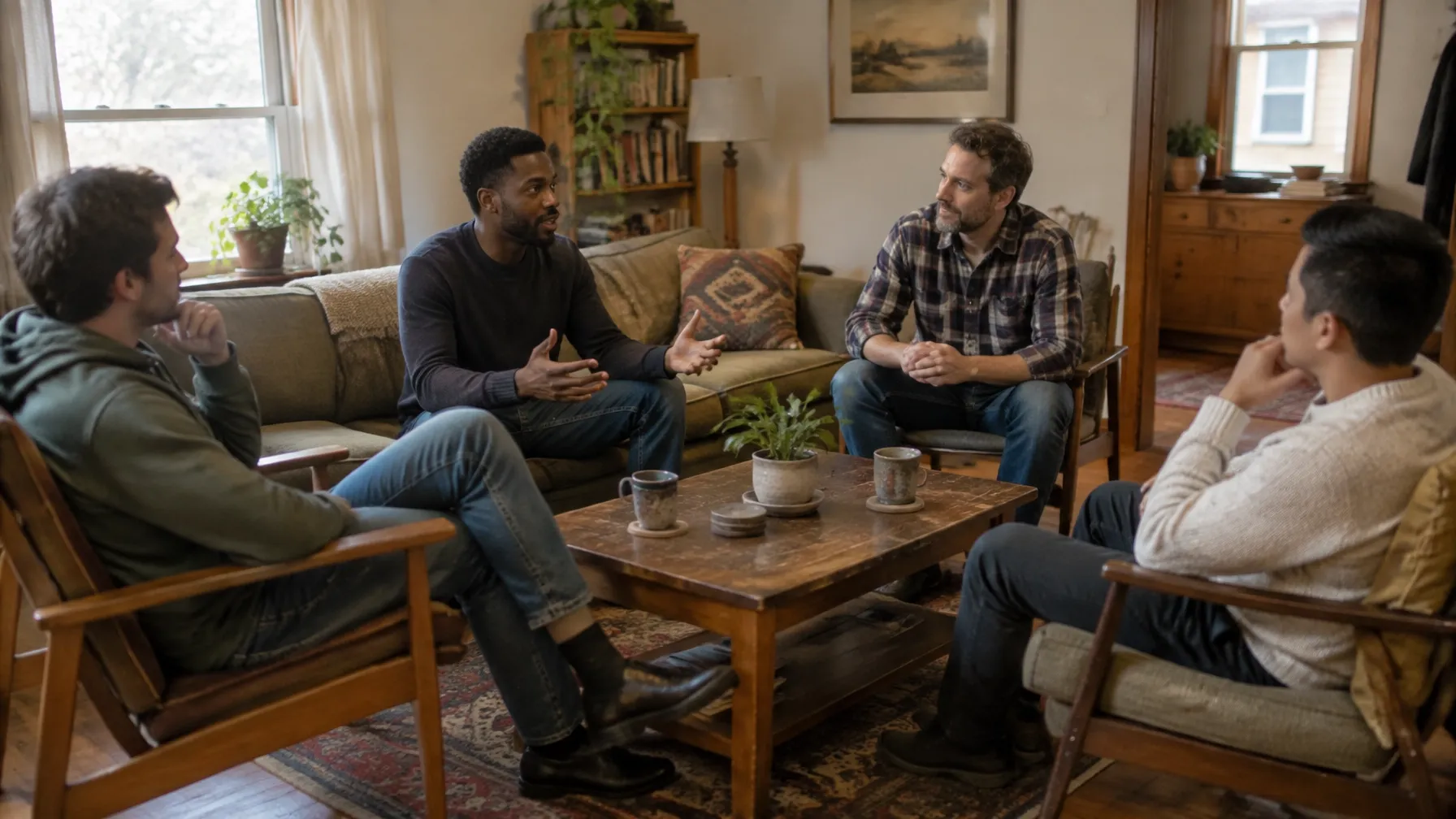
Sober living rules are not designed to make recovery housing feel like a punishment. They create the structure that makes stable recovery possible.
A recovery residence is a drug- and alcohol-free home where residents share responsibilities, practice accountability, and build routines that support long-term recovery. It is a stepping stone between treatment, unstable housing, or a high-risk environment and a more independent life.
The best rules are clear, consistent, and connected to a specific purpose. They reduce triggers, protect the household, and help residents practice the daily behaviors that recovery requires. The worst rules are vague, arbitrary, or enforced differently depending on who is involved.
Whether you are considering sober living for yourself, helping a family member, or placing a client through a hospital or SUD program, understanding the “why” behind the rules will help you identify a high-standard home.
What are sober living rules supposed to accomplish?
A strong house policy should answer four questions:
- What is expected of every resident?
- Why does the expectation exist?
- How is the rule applied consistently?
- What happens when the rule is not followed?
Rules should protect safety without replacing personal responsibility. A good recovery residence does not promise a life without discomfort. It provides a stable environment where residents can face discomfort without returning to the people, places, and patterns that previously supported substance use.
This is the practical meaning behind changing your playmates and playgrounds. A new environment does not solve every problem, but it gives a person room to build different habits.
1. Curfew creates predictable accountability
Most sober living homes have a nightly curfew. The specific time may vary based on the house, resident population, employment schedules, and level of support.
Curfew exists for several reasons:
- It confirms that residents are safe and accounted for.
- It reduces late-night exposure to high-risk situations.
- It protects quiet hours and roommate relationships.
- It supports morning responsibilities, employment, school, and meetings.
- It gives the house manager an opportunity to identify concerns early.
Curfew should not prevent legitimate work, school, medical care, or recovery activities. A responsible home explains the process for approved exceptions. Residents should communicate their schedules in advance rather than treating curfew as optional.
A good house uses curfew as a structure-building tool. A bad house uses it inconsistently, gives unexplained exceptions, or treats minor issues as an opportunity for humiliation. The purpose is accountability, not control for its own sake.
2. A drug- and alcohol-free environment protects everyone
Recovery residences are generally abstinence-forward. Alcohol, illicit drugs, unauthorized controlled substances, and drug paraphernalia should not be used, possessed, or brought into the home.
This rule protects more than the individual who uses. One person’s substance use can quickly become a trigger for roommates, create safety risks, and undermine the recovery culture of the entire residence.
Verification may include:
- Random or scheduled urine drug screening.
- Breath alcohol testing.
- House inspections conducted under written policies.
- Resident check-ins after concerning behavior.
- Clear medication-storage and medication-disclosure procedures.
Testing should be explained before move-in. Residents should know what is tested, how results are handled, who receives information, and what happens after a disputed or positive result. Testing should support safety and accountability rather than become a tool for intimidation.
California’s recovery residence framework generally distinguishes peer-based housing from DHCS-licensed treatment. A residence that provides housing and peer support is not the same as a facility providing detoxification, therapy, or residential treatment. For current information about this distinction, review DHCS guidance on recovery residences and DHCS licensing and complaint information.
3. Guest and overnight-visit policies protect the recovery environment
Guest policies can feel restrictive, especially for residents who want family or friends to visit. The reason for these policies is straightforward: the home must remain a safe and recovery-focused environment.
Common expectations include:
- Guests are allowed only during designated hours.
- Visitors must be approved or signed in.
- No guest may arrive under the influence.
- Visitors must follow the same safety and conduct expectations while inside.
- Overnight guests are limited or prohibited.
- New residents may have stricter visitation rules during an initial adjustment period.
These boundaries reduce the risk of substances, conflict, sexual pressure, exploitation, or disruptive behavior entering the house. They also protect residents who are working to establish new routines.
A fair guest policy should be written and provided before move-in. It should explain whether exceptions are possible, who approves them, and how concerns can be raised. A home should not advertise “family support” while allowing visitors to undermine the sobriety of the household.
4. Chores turn shared housing into shared responsibility
Sober living is not a hotel. Residents are expected to contribute to the home.
Typical responsibilities include cleaning bathrooms and kitchens, taking out trash, maintaining common areas, doing assigned laundry tasks, and keeping personal spaces orderly. Chores should be assigned fairly and reviewed consistently.
The reason is not simply cleanliness. Shared responsibilities teach residents to:
- Follow through on commitments.
- Consider how their behavior affects others.
- Repair problems instead of avoiding them.
- Develop routines that support independent living.
- Practice accountability without waiting for a crisis.
A clean and orderly home also reduces stress. Clutter, unresolved roommate conflicts, and unclear responsibilities can become unnecessary triggers. A good house manager explains expectations, provides reasonable tools and schedules, and addresses missed chores without favoritism.
5. Meetings and peer support keep recovery active
A recovery residence should be more than a place where someone avoids alcohol or drugs. Residents need connection, purpose, and an active recovery plan.
House meetings may address chores, conflict, safety, upcoming changes, and resident concerns. Outside recovery support may include AA, NA, SMART Recovery, Refuge Recovery, Celebrate Recovery, counseling, or another appropriate pathway.
Meeting expectations exist because isolation is risky. Regular participation helps residents identify triggers before they become emergencies, develop sober relationships, and learn from people facing similar challenges.
At the same time, recovery is not one-size-fits-all. A high-standard home can expect active recovery participation while allowing residents to choose a compatible path. Empowering Potential Housing supports residents in selecting recovery support that fits their goals while maintaining a structured, community-focused home.
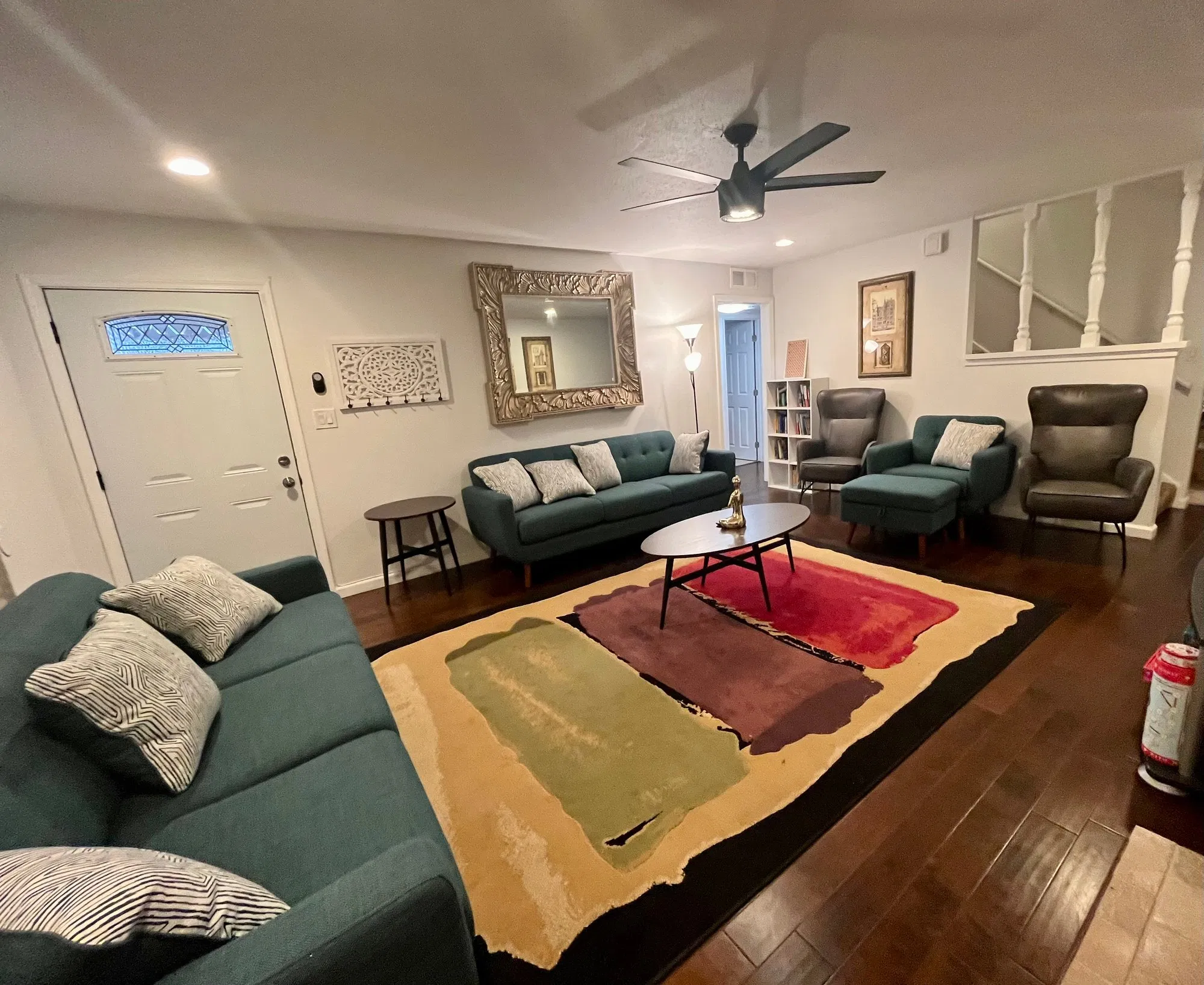
6. The sober living house manager provides consistency
A sober living house manager is responsible for more than collecting rent or checking curfew. The manager helps translate written expectations into daily practice.
A capable manager should:
- Explain rules during the move-in process.
- Apply policies consistently.
- Coordinate testing and safety procedures.
- Address conflicts before they escalate.
- Support referrals to treatment and community resources.
- Document significant incidents.
- Encourage peer leadership without abandoning oversight.
- Recognize when a resident should be referred to an appropriate outside provider.
Recovery residence levels of support vary. The NARR standards describe a continuum that includes peer-run, monitored, supervised, and clinical models. That framework is useful because it helps families, referral partners, and residents understand that not every recovery residence offers the same level of staffing or service.
Empowering Potential Housing should be understood as a non-clinical recovery residence. We provide house structure, peer support, mentorship, community, and daily wellness check-ins. Those wellness checks are wellness checks only. They are not medical monitoring. We do not provide ADL assistance, on-site medical treatment, clinical staffing, nursing, or medical monitoring.
That distinction matters. A resident who needs clinical or hands-on care should be referred to an appropriate outside provider rather than placed in a house that is designed for recovery-focused housing and accountability.
Peer leadership is also valuable. Residents may lead house meetings, coordinate chores, welcome new residents, or help reinforce community standards. Leadership gives residents a practical opportunity to build confidence and responsibility. It should never give one resident unchecked authority over others.
7. What happens if someone relapses?
A strong recovery residence must maintain a drug- and alcohol-free environment while recognizing that return to use can occur during a person’s recovery journey.
Relapse should not be treated as automatic eviction or as proof that recovery is impossible. A support-first response may include:
- Immediate attention to overdose, intoxication, medical, or psychiatric safety, including contacting emergency services or outside providers when needed.
- A private conversation that avoids shame and establishes what occurred.
- Drug or alcohol testing when appropriate under the written policy.
- Review of triggers, supports, medication concerns, and recovery goals.
- Increased meetings, daily wellness checks, or peer support.
- Referral to outpatient, residential, detoxification, or another higher level of care when needed.
- A clear decision about whether the resident can safely remain in the home.
- A warm handoff if a transfer is necessary.
The home still has a duty to protect other residents. Active use in the house, threats, violence, possession of dangerous items, or repeated conduct that makes the environment unsafe may require immediate action. But the response should be documented, consistent, and connected to continued care whenever possible.
Current California policy discussions, including AB 1556, do not replace the need for a clear house-level return-to-use policy. Operators, residents, families, and referral partners should review the current law, funding requirements, and written residential agreement rather than relying on assumptions.
The SAMHSA Best Practices for Recovery Housing and HUD and NARR recovery housing guidance emphasize recovery-centered, person-centered, safety-focused responses. These resources are best-practice guidance, not a substitute for legal advice.
Red flags: rules that should not exist
Not every home with strict rules offers high-quality recovery housing. Be cautious when a residence has:
- No written handbook or residential agreement.
- Unverified claims about certification, licensing, or partnerships.
- Rules that change depending on the manager’s mood.
- No grievance or complaint process.
- Retaliation or threats when residents raise concerns.
- Surprise fees or unclear payment terms.
- Testing procedures that are unexplained or inconsistently applied.
- Pressure to attend one specific recovery program without reasonable discussion of alternatives.
- A relapse policy that promises automatic eviction without considering safety, support, or referral options.
- No explanation of who is on site and what level of support is available.
NARR-aligned standards emphasize resident rights, clear policies, consistent enforcement, peer empowerment, and a fair grievance process. A resident should be able to ask questions before moving in and receive direct answers.
Choose structure that supports lasting recovery
The right sober living rules provide boundaries without removing dignity. They create a home where people know what is expected, understand why it matters, and receive support when recovery becomes difficult.
For families and self-pay residents, ask to review the rules before signing. For social workers and SUD program partners, confirm the residence’s level of support, testing process, guest policy, relapse response, and communication procedures before making a referral.
Empowering Potential Housing provides structured, drug- and alcohol-free recovery residences with shared responsibilities, peer support, mentorship, daily wellness checks, and room for personal growth. Our homes are non-clinical and do not provide ADL assistance, on-site medical treatment, clinical staffing, nursing, or medical monitoring. To ask about current availability or determine whether a home may be an appropriate fit, call 619-500-3987 or visit our services page.