The Hospital Social Worker’s Guide to San Diego Recovery Housing
For hospital social workers and discharge planners in San Diego, the "revolving door" of homelessness and healthcare is a daily challenge. You stabilize a patient, manage their acute medical needs, and prepare them for discharge: only to realize they have no safe place to go. Discharging a patient to the streets or an overcrowded emergency shelter is not a workable discharge plan. It creates housing instability, disrupts follow-up, and makes safe recovery harder to sustain.
At Empowering Potential Housing, we provide a structured alternative. We offer a stable, structured housing transition through our medical respite and recovery housing programs while clinical and medical needs remain with outside providers. This guide is designed to help you understand how to leverage these resources to improve patient outcomes and streamline your discharge process.
The Value of Structured Transitions
When a patient is discharged to an environment where they can rest in a clean, stable setting, attend follow-up appointments, and maintain daily routines, the "revolving door" is less likely to keep spinning.
Sober living is not merely a place to sleep; it is a transitional housing option designed to provide the discipline and accountability that the streets cannot. For patients recovering from substance use disorders (SUD) or co-occurring mental health issues, the period immediately following hospital discharge is the most vulnerable. Without a "stepping stone" like structured recovery housing, triggers and old "playmates and playgrounds" often lead to immediate relapse and subsequent medical crises.
Housing Quality and Recovery-Focused Structure
Not all housing is created equal. For a social worker, the primary concern is safety and quality. You need to know that the residence you are recommending offers a clean, stable, drug- and alcohol-free environment with clear expectations and recovery-focused structure.
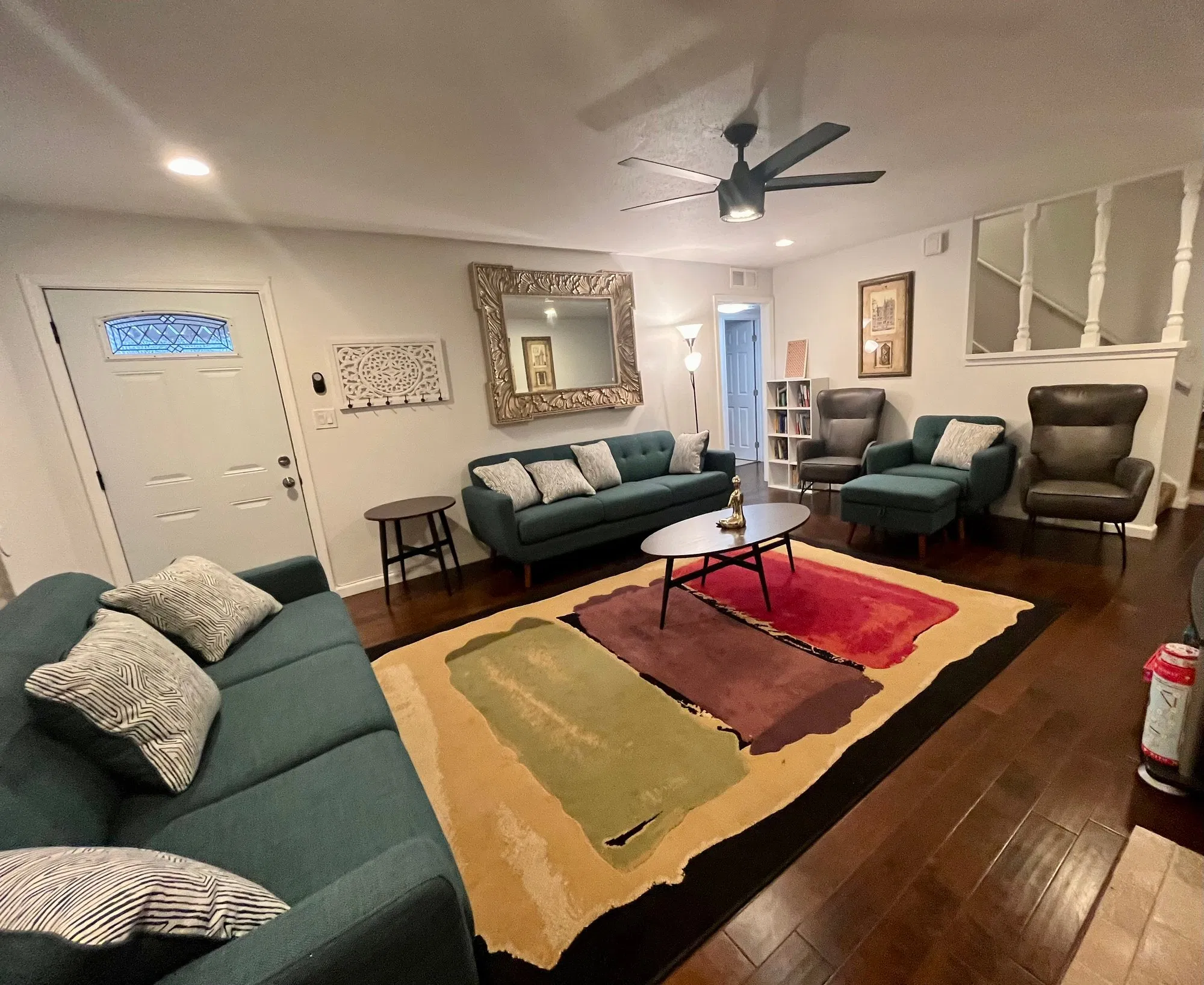
Empowering Potential Housing is listed with the Recovery Residence Association of San Diego. Our homes are designed to support accountability, routine, and personal growth in a community setting. We offer strictly single-gender housing, with separate men’s homes and women’s homes, so residents can focus on recovery in an environment with clear boundaries and expectations.

Medical Respite: A Critical Post-Acute Tool
For those on Medi-Cal experiencing homelessness, our medical respite services provide an essential layer of housing support during recovery. Unlike standard sober living, medical respite includes:
- Daily Wellness Check-ins: Daily wellness check-ins provide non-clinical support that helps residents adjust to the house routine and stay connected to outside appointments and providers. Peer support, mentorship, and a structured drug- and alcohol-free environment are the core of what we provide; clinical and medical needs remain with outside providers.
- Structured Environment: A stable foundation where residents can focus on recovery, rest, and returning to daily life.
- Peer Support and Mentorship: A recovery-focused community that reinforces accountability, encouragement, and daily structure.
This level of support is particularly effective for patients who are medically stable but still need a safe place to recover outside of a traditional shelter. It allows them to "graduate" to more independent forms of housing once their health has stabilized.
Removing Barriers: Financial Accessibility and Inclusion
One of the greatest hurdles in discharge planning is the financial and administrative barrier to entry. Many patients have poor credit or limited immediate funds, which can stall the discharge process indefinitely.
We have simplified this process to ensure that housing is accessible when it is needed most:
- All-Inclusive Rate: Our recovery residences rates range from $800–$1,200 per month depending on the residence, plus a one-time $100 move-in fee, with utilities and high-speed internet included.
- Straightforward Application Process: We believe that a person’s past financial struggles should not dictate their future recovery. We offer a straightforward application process that focuses on the individual's commitment to a sober lifestyle rather than their credit score.
- Diverse Program Support: We recognize that recovery is not one-size-fits-all. Our residents are encouraged to choose the path that works for them, whether that is AA, NA, SMART Recovery, Refuge Recovery, or Celebrate Recovery.
Mentorship and Peer Accountability
The "secret sauce" of successful recovery housing is the community. At Empowering Potential Housing, we move beyond just providing a roof. We foster a peer-based community where residents hold each other accountable.
Our mentorship program pairs newer residents with those further along in their journey. This creates a sense of belonging and purpose: two factors that are often missing in the lives of those experiencing chronic homelessness. When a resident feels they are part of a community, they are more likely to pursue their own recovery goals, attend outside appointments as appropriate, and stay engaged in a stable routine.

How to Partner with Us
For social workers at hospitals and skilled nursing facilities, our goal is to be your most reliable discharge partner. We understand the pressure of high census counts and the need for rapid, safe placements.
- Check Eligibility: Our homes are ideal for individuals who are medically stable, committed to a drug- and alcohol-free lifestyle, and seeking a structured environment in a strictly single-gender residence.
- Submit a Referral: We work closely with SUD and mental health programs to coordinate transitions. You can find our necessary forms and applications online to expedite the process.
- Collaborative Planning: We are happy to discuss specific patient needs, including CalAIM medical respite eligibility and long-term housing goals.
Conclusion
The transition from a hospital bed to the street is a gap that undermines recovery and strains our healthcare system. By utilizing recovery housing and medical respite, San Diego social workers can provide their patients with more than just a discharge plan: they can provide a fresh start.
Structure, accountability, and community are the foundations of lasting recovery. Let us help you provide that foundation for your patients.
Ready to discuss a placement or learn more about our San Diego homes? Contact Empowering Potential Housing today at 619-500-3987 or visit our contact page to start the conversation. We are here to help you bridge the gap.