The Roadmap to Recovery: From Medical Respite to Long-Term Stability

Recovery is not a linear event; it is a structured process. For many individuals experiencing homelessness or transitioning out of a hospital stay, the path to a stable life feels like a maze with no exit. Without a clear roadmap, the "revolving door" of emergency room visits and short-term shelters becomes a permanent cycle.
At Empowering Potential Housing, we believe that lasting recovery requires more than just a place to sleep: it requires a progression of care that bridges the gap between medical crisis and independent living. This article outlines the essential roadmap from medical respite to long-term stability, providing a blueprint for social workers, program directors, and individuals ready to do the work.
Phase 1: Medical Respite: The Foundation of Stabilization
The journey often begins at a point of physical and emotional exhaustion. For those on Medi-Cal experiencing homelessness, a hospital discharge can be a dangerous moment. This is where Medical Respite (also known as Recuperative Care) serves as the critical first stepping stone.
Medical respite is a transitional housing option for individuals who are too ill or frail to recover on the streets but do not require hospital-level care. It is a period defined by rest, healing, and stabilization.
Daily Wellness Checks and Structured Recovery Housing
In a high-standard medical respite environment, the focus is on daily wellness checks, structure, and accountability. Residents receive daily wellness check-ins in a safe, recovery-oriented setting while their medical needs are handled by outside providers. This structure helps support recovery and reduces the risk that small concerns turn into larger setbacks.
By providing a safe, drug- and alcohol-free environment, medical respite allows the body to heal while the mind begins to clear. It is during this phase that we begin to establish the habits of discipline and routine that will be necessary for the next steps in the recovery journey.
Phase 2: Integrating Support: SUD IOP and Mental Health Services
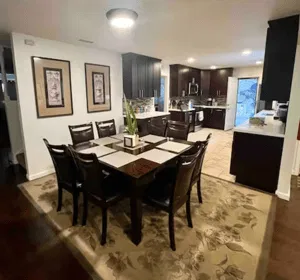
Once physical stability is achieved, the focus must shift to the underlying causes of housing instability: substance use disorders (SUD) and mental health challenges. Transitioning from medical respite into a Recovery Residence paired with Intensive Outpatient Programming (IOP) is the most effective way to prevent relapse.
Changing Playmates and Playgrounds
Recovery experts often speak about "changing playmates and playgrounds." This metaphor highlights the necessity of removing oneself from triggers and environments that foster addiction. A recovery residence provides the "new playground": a community-focused home where every resident is committed to a common goal of sobriety.
During this phase, residents typically participate in:
- SUD Intensive Outpatient Programs (IOP): Therapy, group sessions, and treatment services provided by outside programs that help residents manage cravings and trauma.
- Mental Health Support: Outside mental health providers support those with co-occurring disorders, ensuring that mental health is addressed alongside physical and substance use recovery.
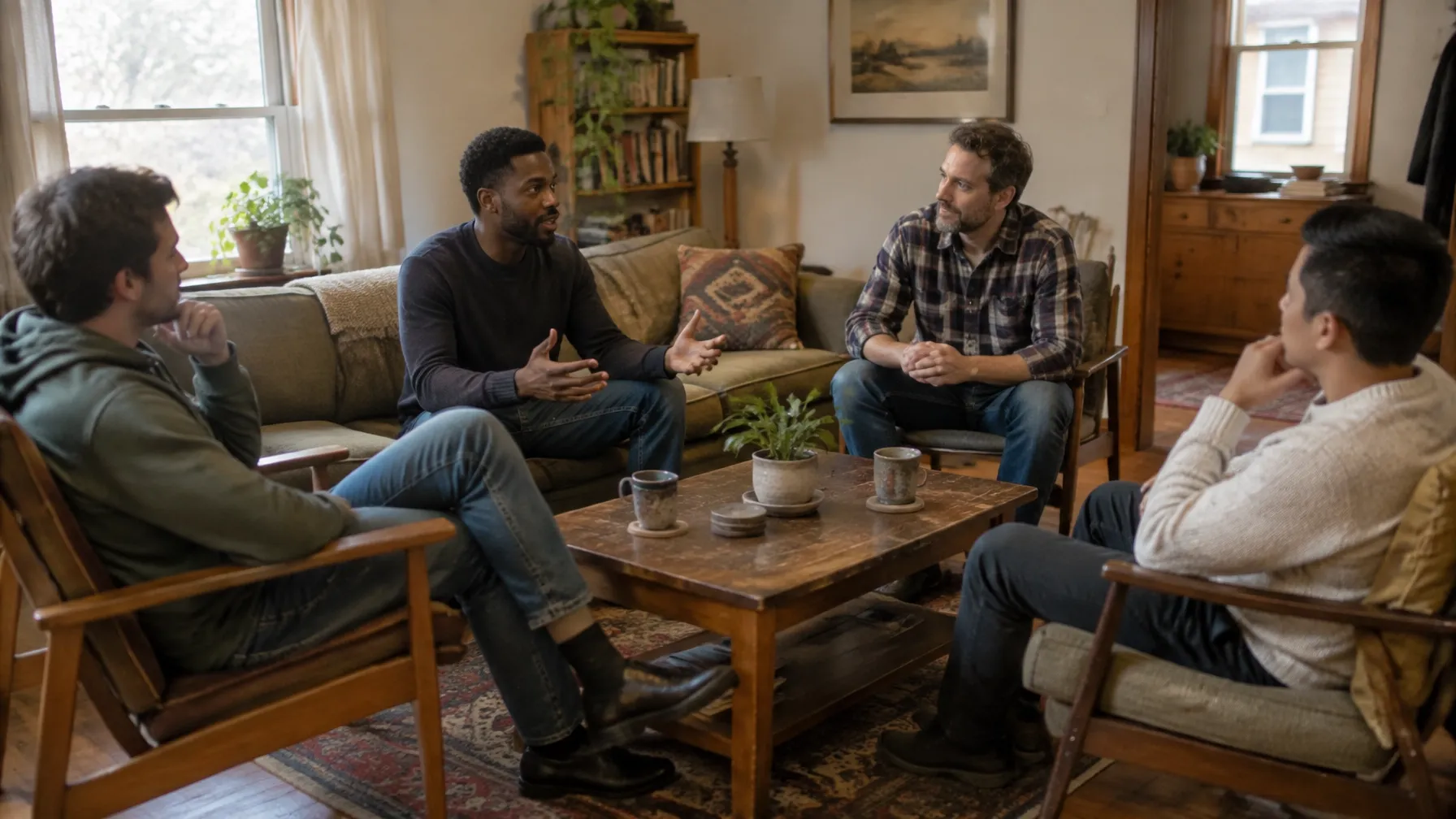
- Peer-Based Community: Residents choose their own recovery path: whether that is AA, NA, SMART Recovery, or Refuge Recovery: while living in a supportive environment that fosters personal growth.
This is the "growth phase," where accountability moves from outside services and structured housing into internal discipline, peer support, and daily recovery habits.
Phase 3: Reclaiming Independence: Affordable Self-Pay Housing
The final destination of the roadmap is the transition to affordable, long-term stability. The ultimate goal for any individual in recovery is to become a productive member of society, capable of maintaining their own household.
However, the jump from a fully managed program to market-rate housing is often too steep, leading to "cliff effects" where people lose their support systems too quickly. Empowering Potential Housing solves this by offering structured self-pay recovery residences.
The Reality of Affordability
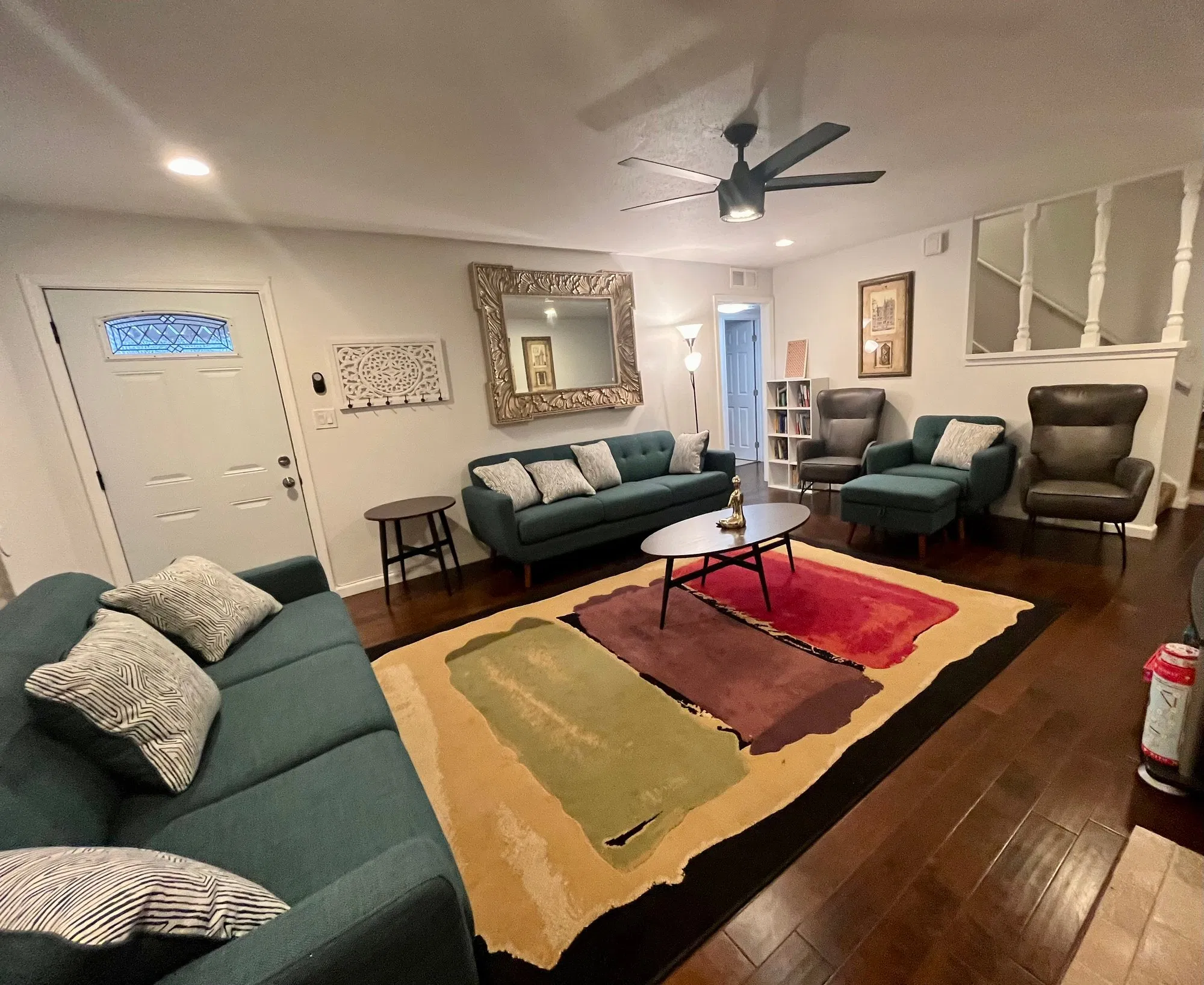
Stability is only sustainable if it is affordable. We provide high-quality housing with beds ranging from $800 to $1,200 per month. This rate is inclusive of all utilities and high-speed internet.
We also offer a straightforward application process. This stage is about practicing the life skills learned in Phase 2: budgeting, maintaining a job, and contributing to the upkeep of a shared home.
Why Structure Beats Comfort Every Time
A common mistake in the housing sector is prioritizing comfort over accountability. A "bad sober living" is one that operates as a simple "flop house" with no rules, no testing, and no expectations. In contrast, a "good sober living" prioritizes the safety of the community through:
- Drug and Alcohol-Free Mandates: Frequent and random testing to ensure the environment remains a safe haven for all residents.
- Mentorship and Peer Support: Older residents and supportive mentors guide newer arrivals, creating a culture of success.
- Stability through Standards: Clear house rules and expectations regarding chores, curfews, and meeting attendance.
Structure provides the guardrails that allow a person to rebuild their life without the constant threat of old triggers. It creates a sense of safety and belonging that is essential for long-term recovery goals.
Connecting the Dots for Social Workers
For social workers in hospitals and skilled nursing facilities (SNFs), finding the right placement is about more than just finding an empty bed. It is about finding a partner who understands the continuum of care.
When you place a client into our medical respite program, you aren't just solving a discharge problem; you are starting them on a proven roadmap. We work closely with SUD and mental health programs to ensure that every resident has a "next step" ready before they complete their current phase. This seamless transition is what prevents homelessness and saves lives.
Conclusion: Take the First Step Today
The roadmap to recovery is not easy, but it is clear. By moving from the stabilization of medical respite to the intensive support of a recovery residence, and finally to affordable self-pay housing, individuals can build a stable foundation that lasts a lifetime.
If you are a social worker looking for a placement, or an individual ready to start your journey, Empowering Potential Housing is here to help. We provide structured drug- and alcohol-free housing, daily wellness checks, peer support, mentorship, and affordable rates, while medical and clinical needs are handled by outside providers.
Contact us today at 619-500-3987 or visit our Apply Now page to learn more about our available beds and programs.