Medical Respite Care Explained: A Safe Place to Heal After the Hospital

A hospital discharge is not the end of a person’s medical needs. For someone experiencing homelessness, leaving the hospital can create an immediate health and safety risk. A patient may be medically stable enough to leave inpatient care but still too frail, sick, or vulnerable to recover on the street, in a vehicle, or in a standard shelter.
Medical respite care provides a safe, short-term place to heal after hospitalization. It gives people experiencing homelessness access to housing, daily wellness check-ins, peer support, mentorship, and a pathway toward more stable housing while clinical and medical needs are handled by outside providers.
Medical respite care is also commonly called recuperative care. It is a practical bridge between hospital discharge and long-term stability.
What Is Medical Respite Care?
Medical respite care is short-term residential care for people who no longer require hospital-level treatment but cannot safely recover without a stable place to stay.
A person may need medical respite after:
- An inpatient hospital stay
- An emergency department visit
- A skilled nursing facility stay
- Treatment for an injury, infection, or chronic illness
- A procedure or surgery
- A behavioral health or substance use crisis that leaves the person medically vulnerable
The purpose is not to provide another hospital. The purpose is to provide a safe, structured place where recovery can continue while outside providers handle clinical and medical care.
Without a safe place to rest, a person may miss medications, lose access to follow-up appointments, experience worsening symptoms, or return to the emergency department. Medical respite interrupts that cycle by addressing the housing barrier at the same time as the health concern.
The National Health Care for the Homeless Council describes medical respite as care for people who are too ill to recover on the street but do not need to remain in a hospital. That distinction is central to responsible discharge planning.
Who Does Medical Respite Care Serve?
Medical respite care serves people experiencing homelessness or severe housing instability who meet clinical and program eligibility requirements.
The ideal candidate is generally:
- Medically stable for discharge from the hospital or facility
- Still in need of a safe environment for recovery
- Unable to safely heal on the street or in a congregate shelter
- Able to participate in basic daily care and wellness routines
- Eligible for the applicable Medi-Cal managed care program when using CalAIM funding
- In need of follow-up support or connection to housing and behavioral health services
Medical respite is not appropriate for every medical condition. Someone who requires acute hospital treatment, skilled nursing services, or emergency intervention should remain in the appropriate level of care. The referring team and health plan must determine whether medical respite is safe and medically necessary.
A strong referral identifies both the person’s medical needs and the housing condition that makes discharge unsafe. “The patient has nowhere to go” is important information, but it should be paired with clinical documentation explaining why street homelessness or shelter placement would interfere with recovery.

Medical Respite Care and CalAIM Recuperative Care
The terms medical respite care and recuperative care are often used interchangeably, but they can have different meanings.
Medical respite care is the broader service model. It describes a short-term, recovery-oriented setting where people experiencing homelessness can heal with support.
Under California’s CalAIM program, Recuperative Care is a specific Medi-Cal Community Support. It is subject to health plan eligibility rules, authorization requirements, documentation standards, and utilization limits.
Not every medical respite program operates through CalAIM. Some programs are funded through county contracts, hospitals, grants, philanthropy, or private arrangements. CalAIM recuperative care, however, requires coordination with the member’s managed care plan.
These services overlap, but they are not identical:
- Recuperative care focuses on people experiencing homelessness who need a safe place to recover after illness or hospitalization.
- Medical respite care is the broader practical concept used by hospitals, community providers, and homeless health programs.
For current discharge planning, the practical comparison is often CalAIM Recuperative Care versus other housing and funding pathways, such as Transitional Rent when appropriate.
The correct service depends on the person’s condition, housing status, health plan, and discharge needs.
Why Placement Is Time-Sensitive in 2026
Discharge planners should begin medical respite referrals as early as possible. Placement is not a last-minute administrative task. It is part of the clinical discharge plan.
Recent California Department of Health Care Services changes have made timing and documentation even more important. Recuperative care is generally being authorized in 30-day periods, with extensions requiring continued medical necessity and updated information. A 30-day authorization is a review period; it does not automatically mean that every person can remain indefinitely.
For discharge planners, that means the focus should stay on recuperative care when a patient needs a safe place to heal after hospitalization, while also evaluating other available housing supports such as Transitional Rent when appropriate.
For discharge teams, the practical lesson is direct:
- Start the referral before the discharge date whenever possible.
- Confirm the member’s Medi-Cal managed care plan.
- Gather current clinical documentation.
- Clearly explain why the person cannot safely recover without supportive housing.
- Track the authorization end date.
- Begin extension or next-step housing planning before the current authorization expires.
A delayed referral can result in a medically vulnerable person being discharged to the street, an emergency shelter, or another setting that does not support recovery.
For current policy context, review the DHCS housing-related Community Supports updates and verify requirements with the member’s health plan.
What Does a Typical Medical Respite Stay Include?
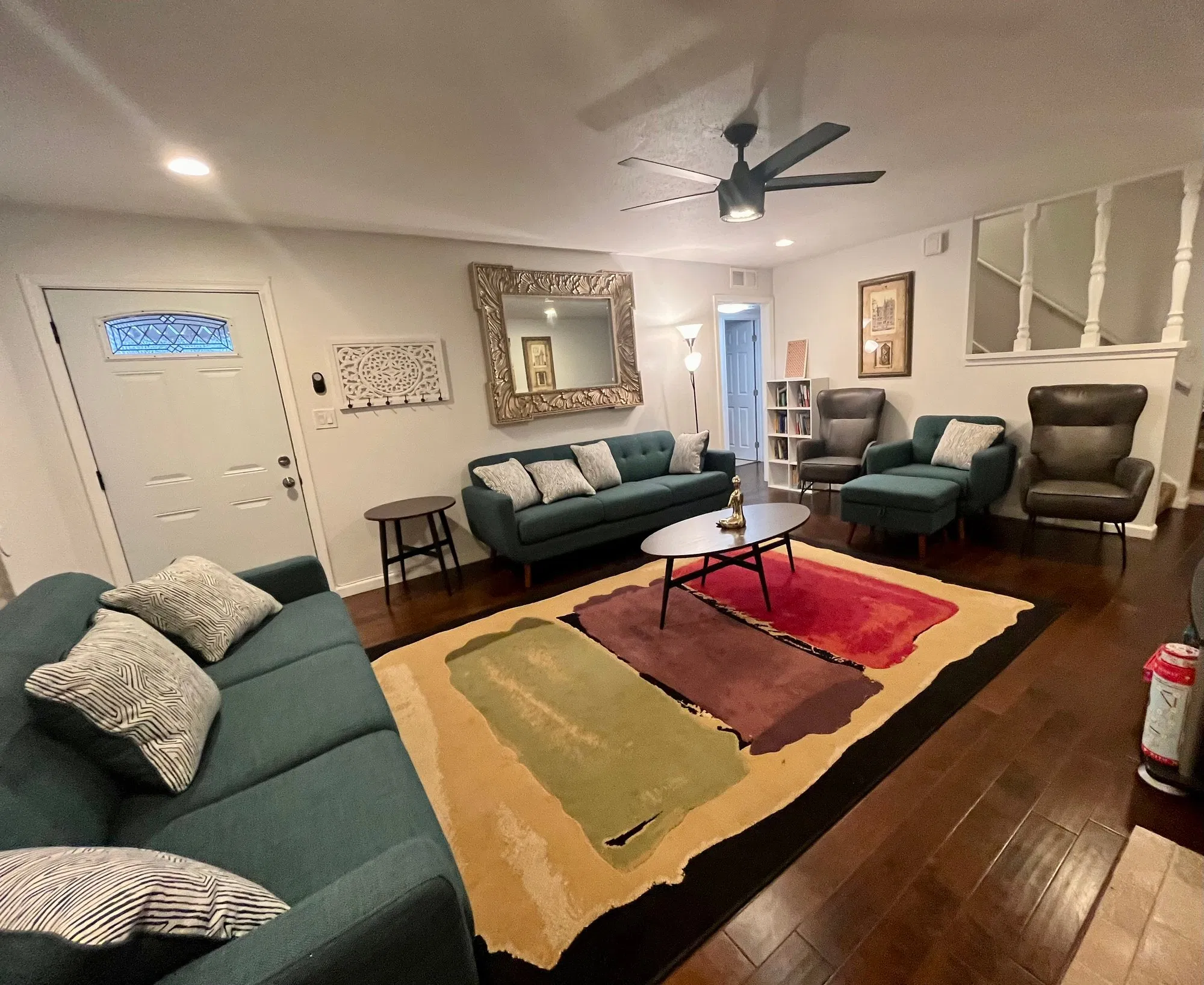
A quality medical respite program provides more than a bed. It creates a structured recovery environment that helps the person follow through with care.
A typical stay may include:
Daily wellness check-ins
Daily wellness check-ins help identify changes in how a resident is doing, flag concerns that should be communicated to outside providers, and catch barriers before they become larger problems. These check-ins are not clinical or medical services, and they are not a substitute for emergency or hospital care, but they do create consistent daily contact and accountability.
A safe place to sleep and recover
Rest is a medical need. A stable bed, predictable routine, and drug- and alcohol-free environment can help a person regain strength and follow the instructions provided at discharge.
Peer support and mentorship
Recovery works better in a stable community. Peer support and mentorship help residents stay accountable, follow house expectations, and remain connected to a recovery-oriented environment while outside providers manage treatment, medications, and clinical follow-up.
Connection to next-step housing
Medical respite should be a stepping stone, not a dead end. The care team should begin planning for the next placement early. That may include recovery housing, permanent supportive housing, treatment, family reunification, benefits assistance, or another appropriate setting.
How Medical Respite Care Reduces Readmissions and Costs
Discharging someone to an unsafe environment can create a revolving door between homelessness, emergency departments, and inpatient units.
Medical respite care addresses several causes of avoidable readmissions:
- Missed follow-up appointments
- Inability to keep wounds clean
- Medication interruptions
- Lack of food and rest
- Exposure to weather and unsafe conditions
- Continued substance use triggers
- No transportation
- No connection to primary care or behavioral health services
A good medical respite program creates accountability around the discharge plan. Staff and residents know what needs to happen next, who is responsible, and when follow-up is required.
The result can be fewer preventable complications, better engagement with treatment, and lower use of expensive emergency and inpatient services. Medical respite is not simply a housing expense. It is a health intervention that addresses the conditions in which recovery must occur.
How to Refer Someone in San Diego
Empowering Potential Housing provides recuperative care support in San Diego for eligible Medi-Cal members experiencing homelessness. The program includes daily wellness check-ins, peer support, mentorship, structured drug- and alcohol-free housing, and referrals toward behavioral health and longer-term housing. Clinical and medical needs are handled by outside providers, and Empowering Potential Housing does not provide clinical or medical services.
Hospital and skilled nursing facility social workers, discharge planners, SUD programs, mental health programs, and family members can begin the conversation by contacting the referral team.
To make a referral:
- Confirm that the person is experiencing homelessness and has Medi-Cal eligibility.
- Review whether the person is medically stable for a supportive residential setting.
- Gather discharge records, diagnoses, medication information, and follow-up instructions.
- Contact Empowering Potential Housing to discuss fit and availability.
- Send clinical referral documents as requested.
- Coordinate health plan authorization and transportation.
- Begin planning for the next housing or treatment step during the respite stay.
Empowering Potential Housing’s medical respite referral page includes referral details and a link to the Molina pre-screen form. You can also review the company’s full range of services.
From Medical Respite to Recovery-Oriented Housing
When a person no longer needs medical respite, the next environment matters. Returning to the same streets, relationships, and triggers can undermine progress. Recovery often requires changing “playmates and playgrounds.”
Empowering Potential Housing offers structured recovery residences in San Diego, Serra Mesa, Encanto, Lemon Grove, and El Cajon as a bridge from medical respite to greater independence. The homes are strictly single-gender, with separate men’s and women’s residences, and they are drug- and alcohol-free. Where pricing is relevant, rates range from $800–$1,200 per month depending on the residence, plus a one-time $100 move-in fee, with utilities and high-speed internet included.
Residents receive a structured home environment with peer accountability and mentorship. The community supports multiple recovery pathways, including AA, NA, SMART Recovery, Refuge Recovery, and Celebrate Recovery. Empowering Potential Housing is also listed with the Recovery Residence Association of San Diego.
Medical respite helps a person heal. Recovery housing helps a person build routines, accountability, and a foundation for lasting recovery.
Call Before the Discharge Date
Medical respite care works best when it is planned early and connected to a complete discharge strategy. A safe place to recover can protect a patient’s health, reduce avoidable hospital use, and create a realistic path toward housing stability.
If you are a discharge planner, social worker, treatment provider, or family member looking for medical respite or recovery-oriented housing in San Diego, Serra Mesa, Encanto, Lemon Grove, or El Cajon, call Empowering Potential Housing at 619-500-3987 or email empoweringpotentialhousing@gmail.com. The team can help you review the referral pathway, required documentation, and the next appropriate step.